
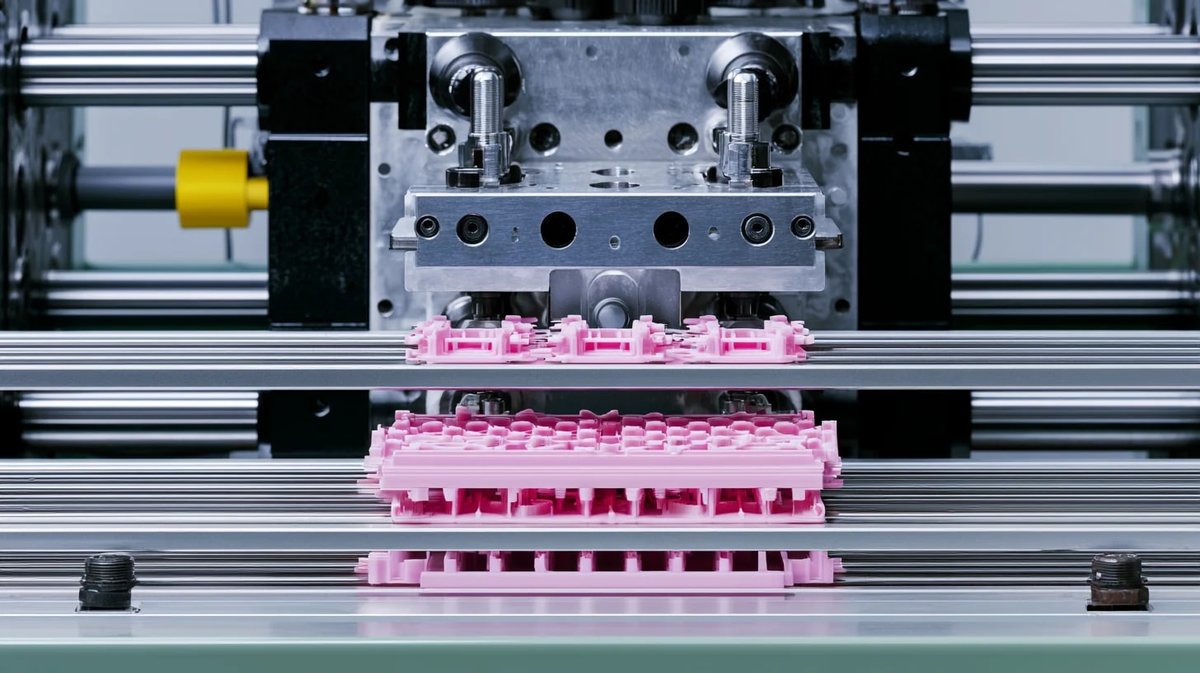
When making high-volume production decisions, businesses generally first calculate how much the unit cost will decrease. At this point, plastic injection molding reduces the expenditure per piece by spreading fixed costs over a certain volume. The commercial team considers the speed and consistency of injection post-mold mass production when comparing with alternative methods. When correct planning is done, it becomes a tool that increases competitiveness in the long term.
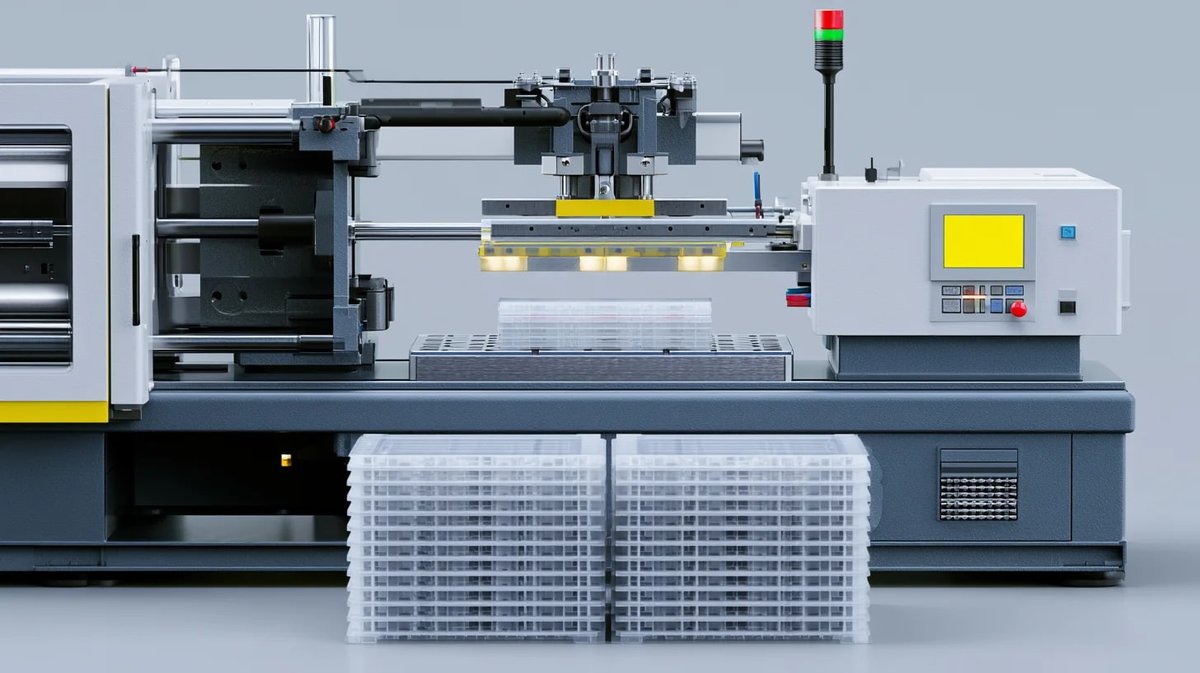
Topic coverage and key points
In cost calculations, it is necessary to separate fixed costs from variable expenses. Mold design and manufacturing initially emerges as a fixed investment. The injection machine, energy and labor remain variable throughout production. As the volume increases, the share of the mold cost per part decreases rapidly and the unit price advantage becomes evident. This approach is especially evident in areas where tens of thousands of parts are ordered, such as the automotive industry.
Mold investment may seem high at first glance, but it pays for itself in a short time with accurate estimates. The remaining mold life in the production of a few thousand units does not require additional investment in subsequent orders. In this way, the customer makes turnkey processes more predictable in new projects. As molding technology advances, the waste rate decreases with sensor and fast cycle machines, thus opening the door to additional savings in variable expenses. Experienced manufacturers can reduce cycle time by twenty percent by optimizing material fluidity and cooling channels.
There is a linear relationship between volume and cost curve. While processing methods may be preferred instead of injection in low quantities, the superiority of injection is indisputable in requests for tens of thousands of pieces. The point to be considered is whether the order size will cover the mold depreciation period. Companies that detect this balance early become more resistant to market price pressure. Simulations made on a project-by-project basis provide realistic figures, taking into account the complexity of the part geometry.
Competitive advantage is not just about unit price. Thanks to quality molding technology, part repeatability increases, assembly errors decrease and customer satisfaction increases. Thus, not only cost optimization but also delivery reliability is achieved. Businesses that achieve stability in mass production can take bolder steps to enter new markets. In the electrical and medical device industries, this consistency also facilitates compliance with regulations.
Small changes made during the part design phase greatly affect the efficiency of the injection process. Thin wall thicknesses and smooth flow paths minimize material waste and keep the machine pressure balanced. After testing these optimizations with digital analysis software, manufacturers move on to mold manufacturing. The resulting part is both highly mechanically resistant and aesthetically flawless.
Material selection also directly shapes the cost structure. Among the thermoplastic types, those with high impact resistance may seem expensive at first, but they reduce the total cost because they reduce the wastage rate. The use of color masterbatch can eliminate secondary operating expenses by eliminating the dyeing process. These details are especially important in the production of LED frames and covers used in the lighting industry.
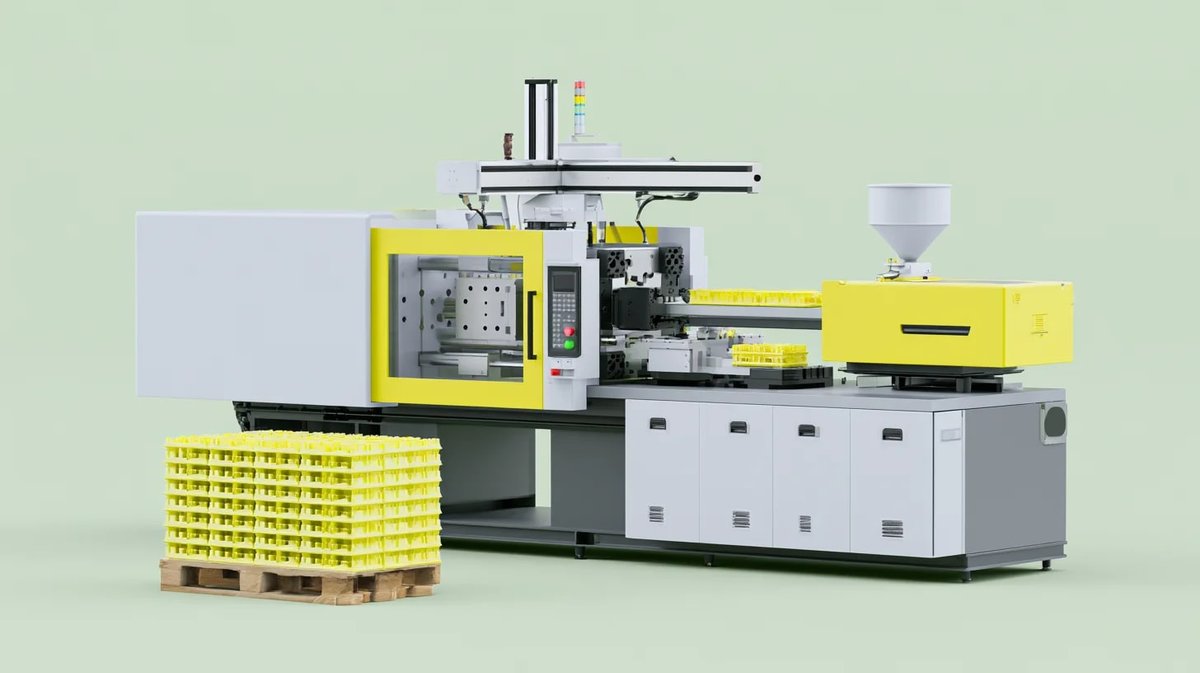
Comparison of Production Methods
The table shows how the cost structure of injection molding improves as volume grows. As the mold life extends, the effect of the initial investment is distributed among the parts and variable costs are brought under control. While labor intensity increases in methods such as CNC machining because each part is processed separately, injection provides thousands of repetitions with a one-time mold investment.
Frequently asked questions
After how many units does the mold cost amortize itself?Usually 8,000–15,000 pieces, varies depending on the complexity of the part and the type of material. In commercial planning, these figures are clarified through preliminary prototype tests.
Does it make sense to use injection for low volume orders?In the short term, CNC or 3D printing may be more suitable. However, if the volume is expected to increase in the future, evaluating the mold investment now will yield more economical results in the long term.
What factors should be considered for cost optimization?Part geometry, material selection, cycle time and mold maintenance intervals directly affect it. When each of these elements is optimized, the unit cost drops significantly.
How to ensure quality consistency in mass production?Modern molding technology keeps part repeatability at a high level by monitoring process parameters. Thus, the wastage rate is reduced and secondary operations are minimized.
Next step
You can create a cost analysis together by sharing the quantity expectation and part features of your project. Get a special price quote for your project. Contact: — 📩 sinangokce@idealplastik. com.
Related guides
Continue reading: What is Plastic Injection Mold? Parts, Types and Working Principle.
Continue reading: 2025 Guide to Choosing the Ideal Injection Mold.