
Learn in detail the mold tolerance, material selection and production factors that determine quality in the plastic injection molding process.
What is Plastic Injection Molding?
Plastic injection molding is a mass production method performed by injecting molten plastic raw material into the mold cavity under high pressure. It is especially preferred for technical parts that require precise measurement tolerances.
However, quality in the injection molding process; It depends not only on the machine but on many technical factors.
1️⃣ Mold Precision and Tolerances
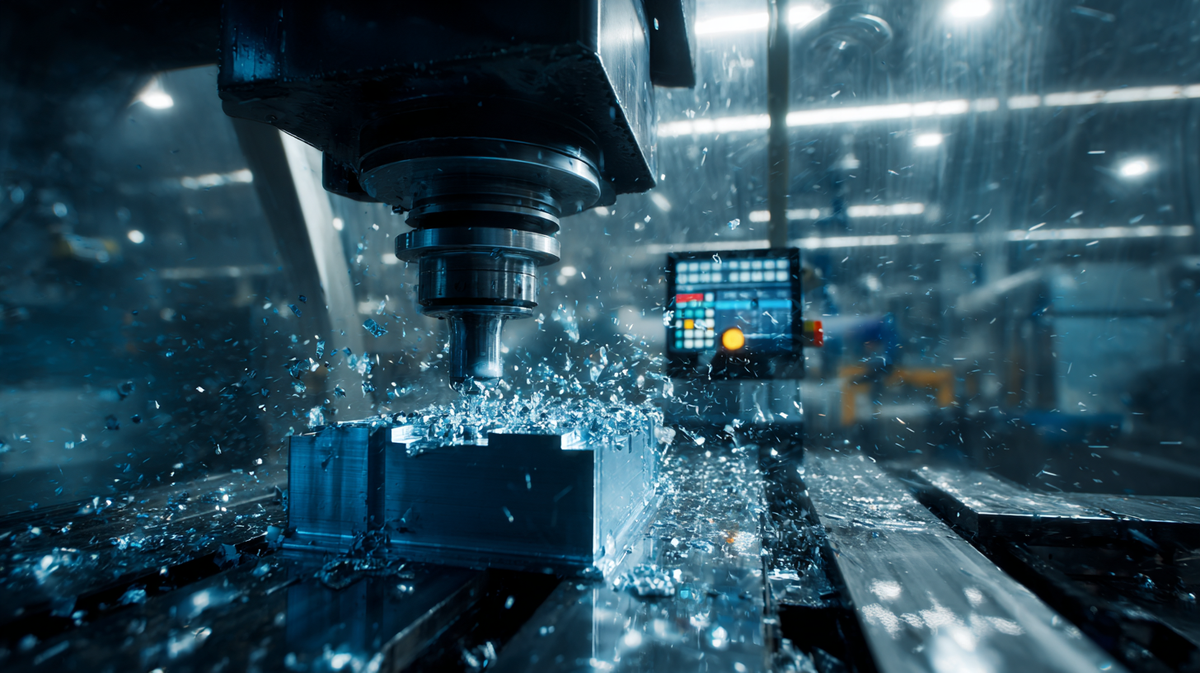
The mold is the heart of injection molding. Even micron-level deviations in mold design:
- Part size irregularities
- Assembly problems
- Loss of sealing
- surface defects
may cause.
Why is Mold Tolerance Critical?
- Threaded parts require precise measurement
- Surface smoothness is important in IP protected systems
- Provides repeatable quality in mass production
High precision CNC machining and the use of quality mold steel directly affect the quality.
2️⃣ Material Quality and Compatibility
The plastic raw material used in the injection process determines the final product performance.
Things to consider when choosing materials:
- mechanical strength
- heat tolerance
- chemical resistance
- UV resistance
- Fluidity (MFI value)
Wrong material selection:
- Cracking
- Shrinkage errors
- surface deformation
- loss of strength
It may cause serious production problems such as
3️⃣ Cooling Times and Process Control
One of the most critical stages that determine quality in injection molding is the cooling process.
Why is it important?
- Rapid cooling → Internal stress occurs
- Insufficient cooling → Shrinkage and deformation occurs
- Uneven cooling → Warping and dimensional shifting occur
Optimum mold temperature and cooling channel design increase part stability.
4️⃣ Operator Factor and Human Effect
Although automation systems have improved, operator experience is still critical.
Incorrect machine settings:
- Incorrect injection pressure
- Incorrect setting of injection time
- Imbalance of screw speed
It may cause problems such as:
An experienced operator:
- Optimizes the process
- Reduces waste rate
- Ensures production continuity
5️⃣ The Role of Automation
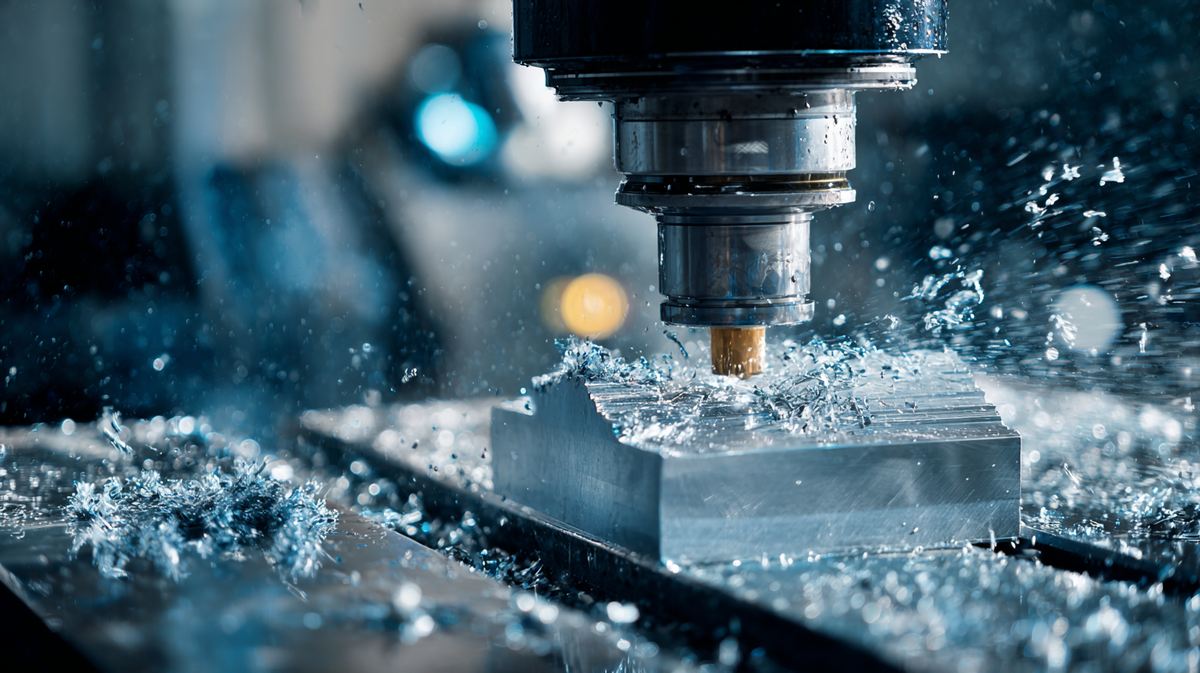
Automation systems standardize quality in modern plastic injection molding plants.
Advantages of Automation:
- repeatable production
- Minimizing human error
- Automated quality control systems
- Data tracking and process analysis
Thanks to these systems, quality fluctuation is prevented, especially in high volume production.
What are Production Defects?
Common quality problems in the plastic injection molding process:
- Burr formation
- Sink mark
- flow trace
- air bubbles
- color fluctuation
- Dimensional deviation
Most of these errors; caused by mold design, material selection or process settings.
Quality Control Processes
For high quality production:
- First sample control (FAI)
- Dimensional measurement
- Visual quality control
- Mechanical tests
- Process parameter tracking
should be implemented.
Production systems that comply with ISO standards ensure long-term quality sustainability.
Conclusion
Quality in the plastic injection molding process; It does not depend on a single factor but on a holistic production approach.
- Precision mold design
- Choosing the right material
- Controlled cooling process
- Experienced operator
- Advanced automation
When combined, high quality and sustainable production is possible.
Quality is not a coincidence; It is the result of engineering and systematic control.
Frequently Asked Questions (FAQ)
Which factor affects plastic injection molding quality the most?
Mold tolerance and process control are the most determining factors.
Why is cooling time important?
Incorrect cooling time may cause deformation and size deviation.
Does automation increase quality?
Yes. Automation ensures consistency in production by reducing human error.
CTA
Contact us for quality plastic injection molding production.We offer engineering solutions specific to your project.
📩 sinangokce@idealplastik.com.tr
📞 +90 212 612 68 40 / 41
📍 Istanbul – Türkiye
Related guides
Continue reading: What is Plastic Injection Mold? Parts, Types and Working Principle.
Continue reading: 2025 Guide to Choosing the Ideal Injection Mold.