
Injection mold cost; How is it calculated according to steel type, number of cavities, runner type and tolerances? Find out with a sample chart and quote tips.
What is Injection Mold Cost?
Injection mold cost is the total cost of the design, processing and commissioning processes of the mold that will enable mass production of a plastic part. This cost includes not only mold manufacturing; It also includes engineering time, materials used and manufacturing complexity.
Therefore, "why does the mold price change?" There is no single answer to the question. It is possible for the same part to be produced at very different costs under different conditions.
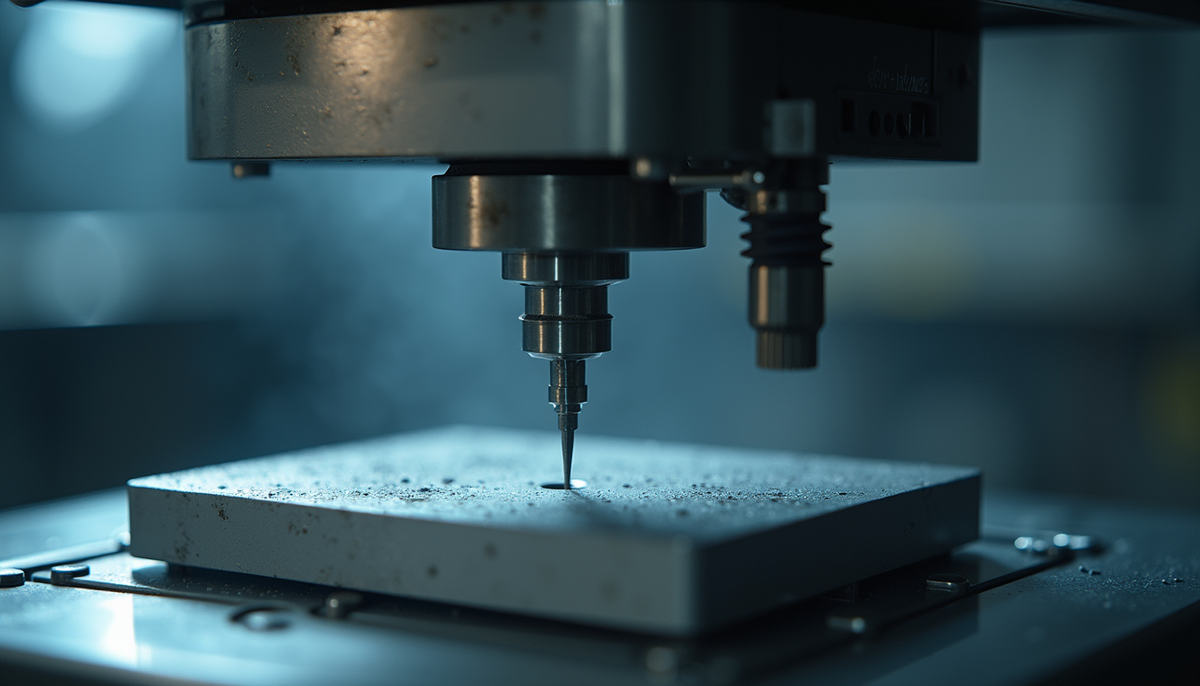
Main Items That Determine Mold Cost
The following technical elements are evaluated together when determining the price of an injection mold.
- Type of mold steel
- Number of cavities (eyes)
- Gating system (cold or hot)
- Tolerance and surface quality expectation
Each of these items directly affects the processing time and lifespan of the mold.
How Does Steel Type Affect Mold Price?
Mold steel accounts for the largest portion of the cost. While more economical steels are preferred in short-life projects, hardened and wear-resistant steels are used for high-volume mass production.
Better quality steel means longer mold life, more stable production and lower maintenance costs. However, the initial investment cost is higher.
Therefore, steel selection should be evaluated together with the total number of parts to be produced.
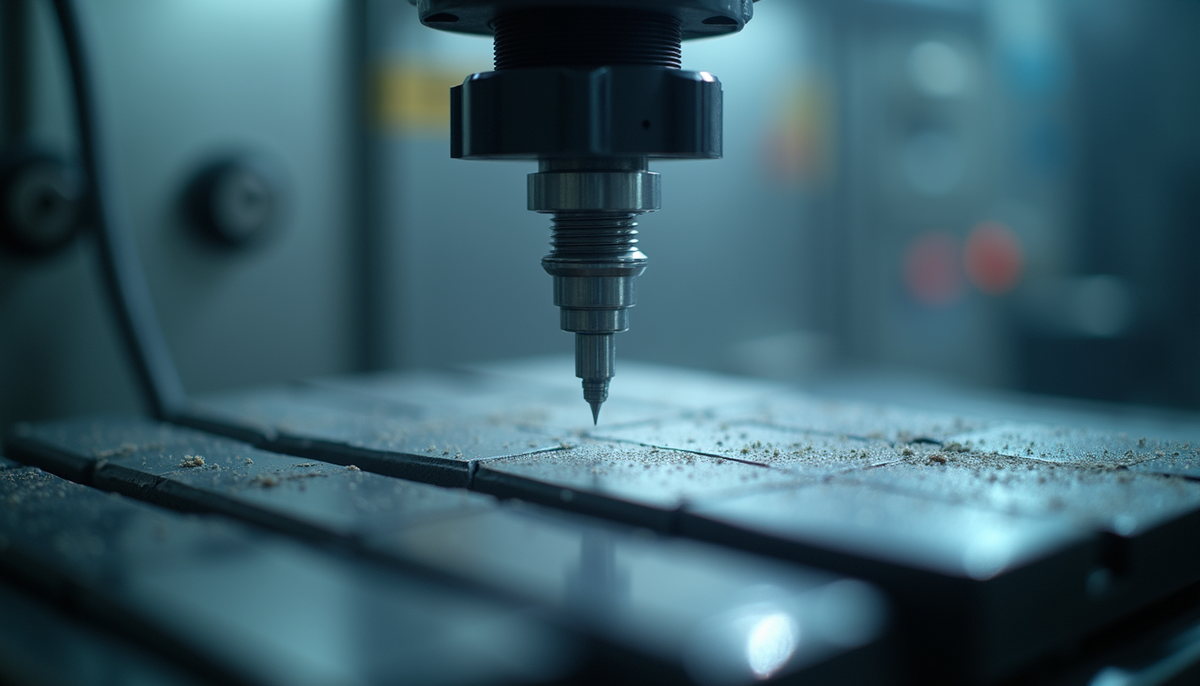
Relationship Between Number of Cavities and Cost
The number of cavities determines how many parts will be produced in a single cycle. As the number of cavities increases, the mold cost increases; However, the unit part cost decreases.
The critical question here is: What is the most balanced number of cavities for the annual production quantity?
While single-cavity molds may be sufficient for low-volume production, multi-cavity molds are more advantageous in the long run in high-volume projects.
Runner Type: Initial Cost or Long-Term Benefit?
The runner system significantly affects the mold price. While cold runner systems have lower initial costs, hot runner systems reduce material loss and shorten cycle time.
When hot runner is preferred, mold cost increases, but waste and labor costs decrease during production.
For this reason, runner type selection should be evaluated not only with the mold cost but also with the total production cost.
The Hidden Cost of Tolerance and Surface Quality
Tight tolerances and high surface quality demands increase mold machining time and precision requirements. This is directly reflected in prices.
Not every surface needs to be of the same sensitivity. Separating functional areas and aesthetic surfaces provides cost optimization.
Too frequent tolerance often means unnecessary costs.
Sample Mold Cost Calculation Table
The following example shows a simplified cost breakdown for a single-cavity injection mold:
- Mold steel and mechanical elements
- CNC machining and EDM processes
- Design and engineering time
- Assembly and test prints
In real projects, these items may increase or decrease depending on part complexity.
What to Consider When Getting a Healthy Mold Offer?
A mold quote should not only consist of the total price. The following criteria should be clearly stated:
- Type of steel to be used
- Number of cavities and gating system
- Number of revisions and attempts
- Mold life expectancy
This information enables realistic comparisons of different offers.
Conclusion
Injection mold cost does not depend on a single parameter. The real cost is revealed when the steel type, number of cavities, runner system and tolerance expectations are taken together. Accurate calculation determines not only the mold price but also the long-term production efficiency.
Therefore, when evaluating mold costs, it is best to think from a total production perspective rather than short-term price.
📩 sinangokce@idealplastik.com.tr
📞 +90 212 612 68 40 / 41📍 Istanbul – Türkiye
You can request a free mold cost calculation template and have a preliminary cost analysis done for your projects.
Related guides
Continue reading: What is Plastic Injection Mold? Parts, Types and Working Principle.
Continue reading: 2025 Guide to Choosing the Ideal Injection Mold.