
Humidity problems in LED fixtures frequently cause headaches for lighting systems operating outdoors or in humid environments. As a result of condensation, electronic components are damaged, light efficiency decreases and maintenance increases. Users look for practical methods to solve this problem; Because water leaking into the armature every time it rains can lead to expensive malfunctions in a short time. The real solution is to protect the PCB boards and prevent oxidation by balancing the internal pressure of the armature. When simple gasket applications are insufficient, it is necessary to resort to more advanced techniques.
Topic coverage and key points
Moisture intrusion scenario is usually caused by temperature differences. The armature cools down at night, and when it warms up during the day, the air inside expands; When it cools, it shrinks. Meanwhile, moisture leaking from the gaskets accumulates on the LED PCB. When PCB oxidation begins, conductive pathways are disrupted and symptoms such as light flickering appear.
There is also internal pressure fluctuation. If the fixture body is completely closed, thermal expansion stresses the seal surfaces. Over time, the seals become loose and unwanted water ingress begins, like "being caught in hail while escaping from the rain". This situation is especially common in fixtures between 36-60 watts.
This is where seal limitations come into play. Although standard silicone gaskets are heat resistant, they cannot withstand constant pressure changes. In the long term, the gasket material hardens; It loses its sealing feature due to impact or vibration. As a result, the risk of short circuit becomes inevitable.
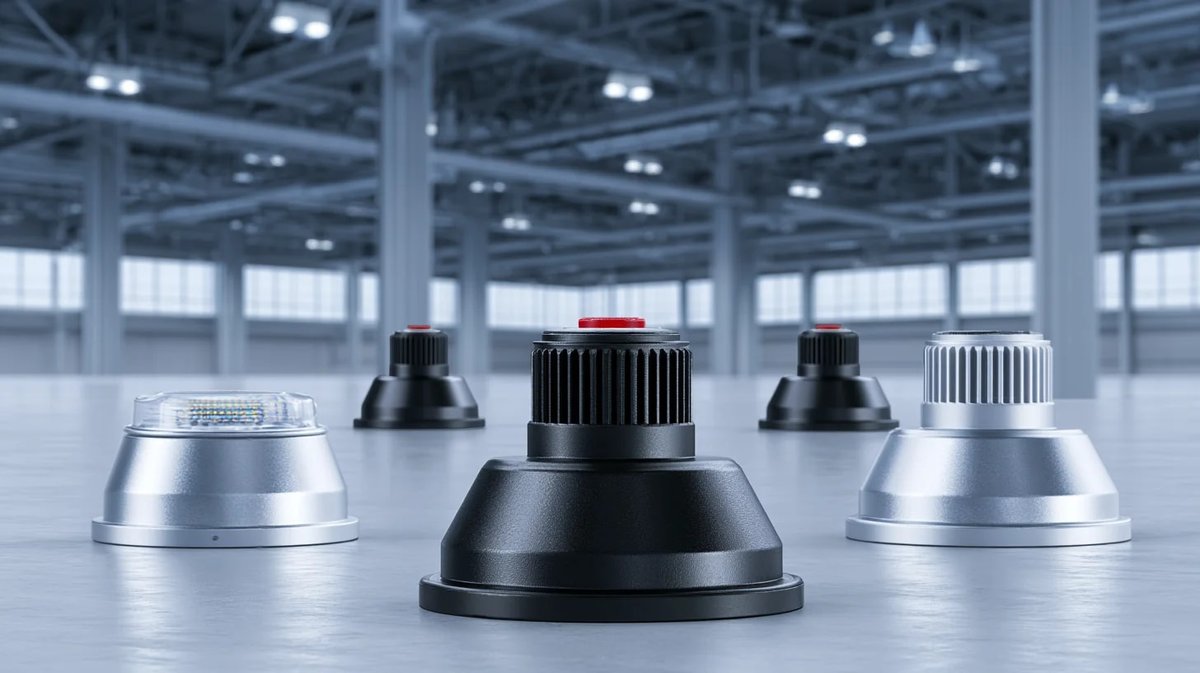
This is where the pressure equalization plug comes in handy. This small element mounted on the fixture body keeps water and dust out while allowing air to pass through. Thus, internal pressure balance of the armature is ensured; The seals are not constantly under load. Anticipating this plug in carcass and cover designs is one of the simplest improvements that can be made during the production phase.
The longevity advantage is clearly evident. Pressure balanced armatures minimize moisture-related malfunctions. PCB oxidation is delayed, LED modules work stably for longer. On the user side, maintenance frequency decreases; Repair processes as difficult as “digging a well with a needle” are eliminated.
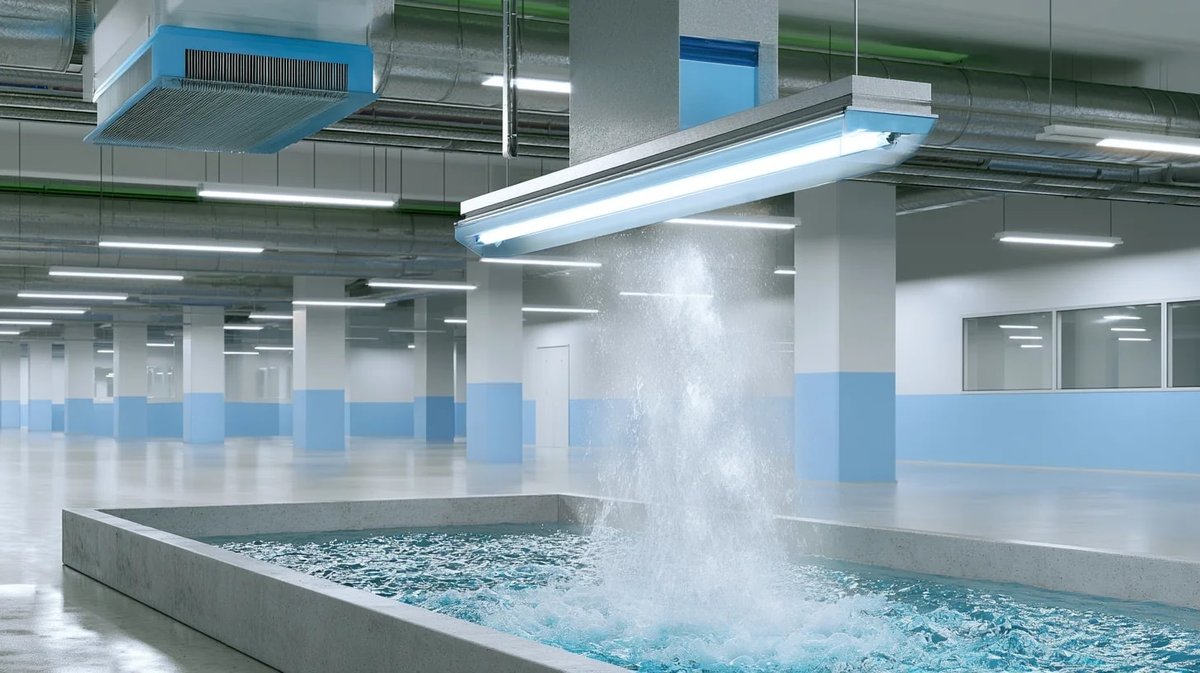
Humidity Control Methods Comparison
Among the above options, the pressure balancing plug offers the most balanced solution in terms of both cost and performance. Integrating such elements in LED cover and body prints significantly extends the life of the fixture.
Frequently Asked Questions
Is it possible to completely prevent moisture accumulation in the LED fixture?A more realistic approach is to use pressure balancing elements instead of completely hermetic sealing; Thus, moisture ingress is reduced and the seals are long-lasting.
Does installing a pressure equalization plug change the fixture design?In most cases just drilling a small hole in the body is sufficient; Design integrity is maintained and production costs do not increase.
Can the fixture be salvaged if PCB oxidation has begun?If detected early, the card can be cleaned and a protective coating applied, but advanced oxidation usually necessitates card replacement.
In which environments is humidity problem more common?The problem increases significantly on coastlines, industrial facility roofs and areas where there is a constant hot-cold cycle.
Get technical support for your LED designs.Contact: — 📩 sinangokce@idealplastik. com. en 📞 +90 212 612 68 40 / 41 📍 Istanbul – Türkiye
Designers who take these precautions make their fixtures both more durable and user-friendly.
Related guides
Continue reading: What is Plastic Injection Molding? Basic Processes and Areas of Use.
Continue reading: Extending the Life of LED Luminaires with Smart Ventilation.