
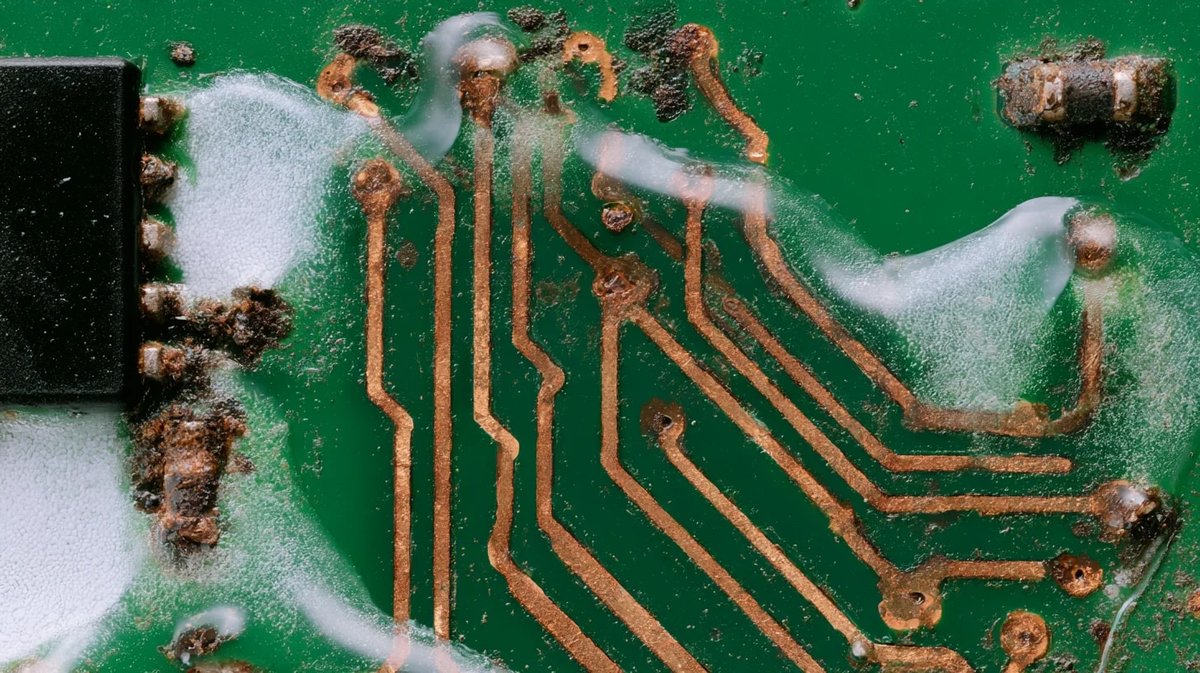
Circuit boards at the heart of electronic devices face an invisible enemy over time: PCB corrosion. When factors such as humidity, air pressure changes and condensation come together, metal surfaces oxidize, conductive paths weaken and devices fail in a short time. By the time most users realize the problem, it's too late; Repair costs increase and production stops. The key to finding a solution is to get to the root of the problem. Simple seals or coatings alone are not enough; It is necessary to understand how moisture seeps in and how condensation forms. At this point, measures such as pressure equalization come into play and significantly reduce the risk of circuit board oxidation.
Topic coverage and key points
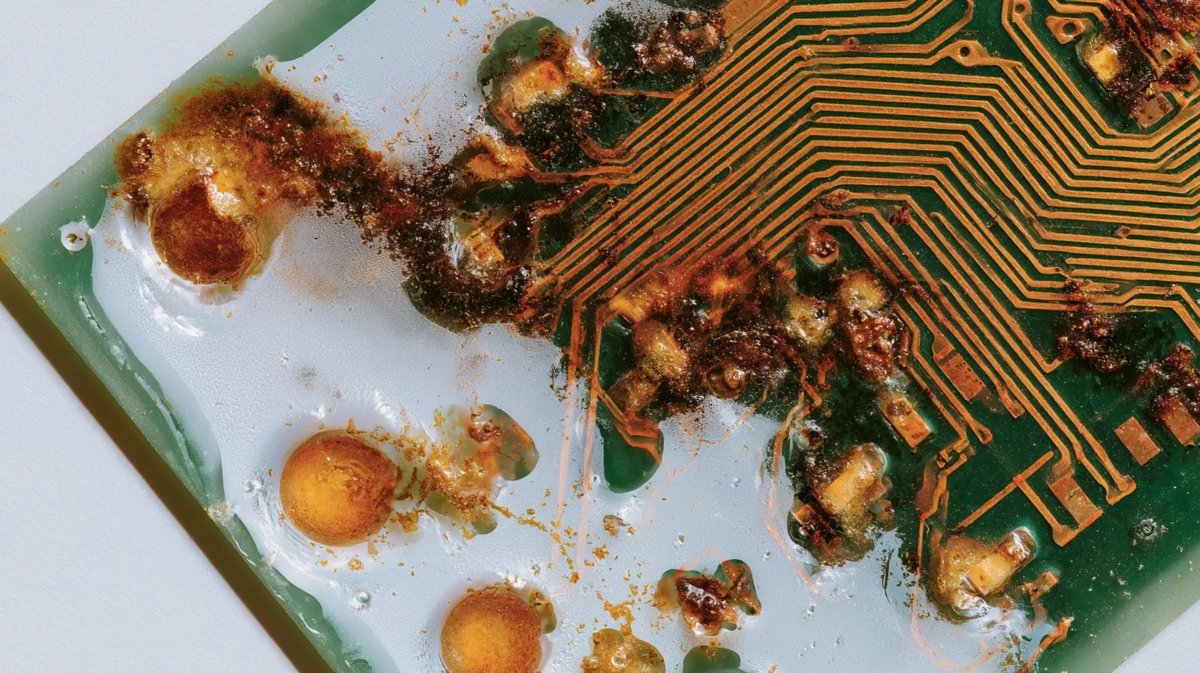
Corrosion begins when metal surfaces react with oxygen and moisture. Copper traces, solder joints, and component legs on the PCB are susceptible to this process. The moisture ingress scenario usually occurs when seals are broken, air vents are left open, or printed circuits remain in closed boxes for a long time. If the inside of the box remains at a lower pressure than the outside, moist air from the outside is drawn in through small slits and pores.
The pressure difference effect plays a critical role here. Temperature changes between day and night, altitude differences or pressure fluctuations during transportation create a vacuum-like environment inside the box. As a result, moisture molecules reach the PCB surface. This moisture turns into droplets through the condensation mechanism when the temperature drops. After the drop is formed, corrosion accelerates like "drop by drop becomes a lake"; The oxide layer thickens, conductivity deteriorates and the risk of short circuit appears.
Moist environment electronics failure most often occurs at the end of this chain. Oxidized copper traces on an LED driver board or automotive sensor may cause occasional signal dropout at first, but over time turn into permanent damage. The pressure balancing solution prevents moisture from being drawn in by keeping the pressure inside and outside the box equal. Microporous vents allow air to pass through while excluding water and dust particles. Thus, the possibility of condensation decreases and circuit board oxidation slows down.
In practice, this solution compensates for the points where the gaskets do not provide complete sealing. Regular pressure balancing, especially in lighting fixtures, electrical panels and medical devices used outdoors, reduces maintenance costs in the long term. In short, targeting the physical mechanism that creates the problem is a more permanent approach than disassembling and cleaning it afterwards.
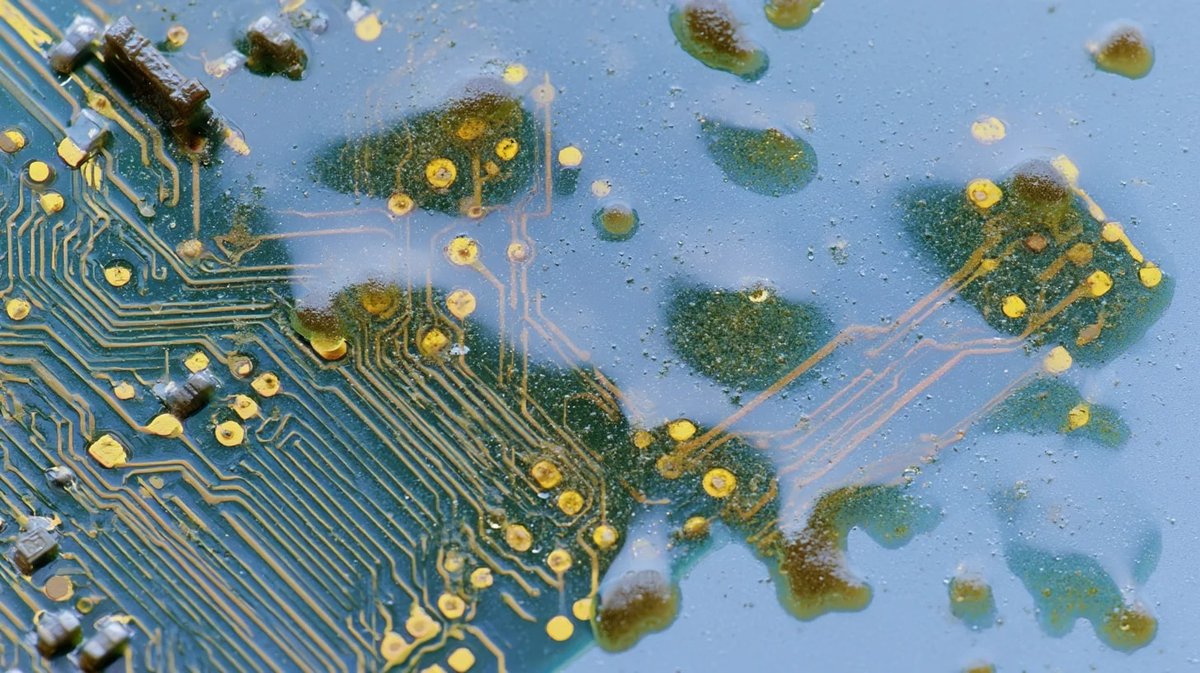
Table / Information
The above comparison shows the main differences of pcb corrosion prevention methods. The pressure balancing approach provides more balanced results compared to other options as it provides both humidity control and internal-external pressure equality.
Frequently asked questions
What should I look for when choosing a PCB protection solution? First, evaluate the device's operating environment, temperature range and pressure change frequency. Vent type solutions provide more effective results in applications where there is a high risk of condensation in closed boxes.
Are pressure balancing products compatible with existing seals? Yes, it can be retrofitted into most standard enclosure designs. Drilling and fixing steps are generally simple; In this way, no major changes are required in the existing production line.
Can humid environment electronic failure be completely prevented? Complete sealing is not always possible. However, with pressure balance and appropriate vent use, the risk of condensation and oxidation is greatly reduced; The frequency of failure decreases significantly.
In which sectors is this type of protection more critical? The solution is more frequently preferred in areas subject to moisture and temperature fluctuation, such as automotive, outdoor lighting, electrical distribution panels and medical devices.
Next step
To prevent PCB corrosion in the first place, examine the pressure balancing methods appropriate for your system. Contact us for PCB protection solutions. Contact: — 📩 sinangokce@idealplastik. com.
Related guides
Continue reading: What is Plastic Injection Molding? Basic Processes and Areas of Use.
Continue reading: Extending the Life of LED Luminaires with Smart Ventilation.