
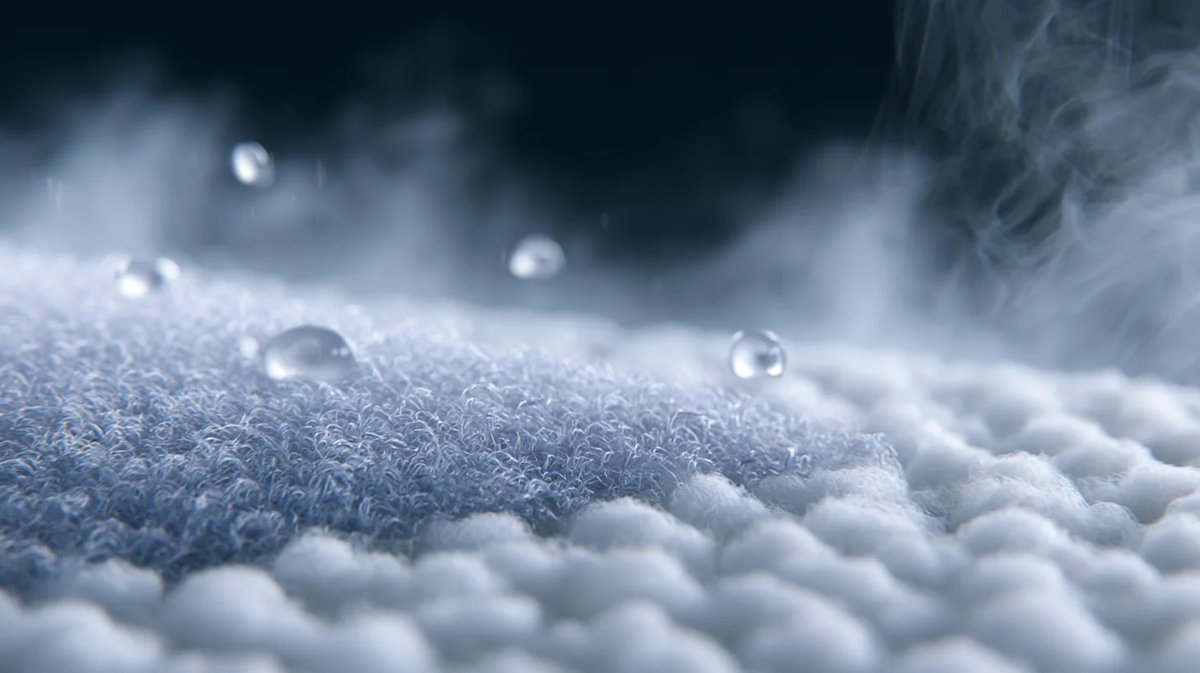
The IP67 standard, which measures the resistance of electronic devices and enclosures to outdoor conditions, requires a structure completely closed to dust ingress and protection against temporary water immersion. For those looking for this level of protection, IP67 ventilation becomes critical because when a pressure difference occurs within a completely sealed box, the seals become stressed and the risk of leakage increases over time. Technical information seekers often wonder about ways to provide ventilation without disrupting this balance. The solution lies in materials that offer selective permeability at the molecular level.
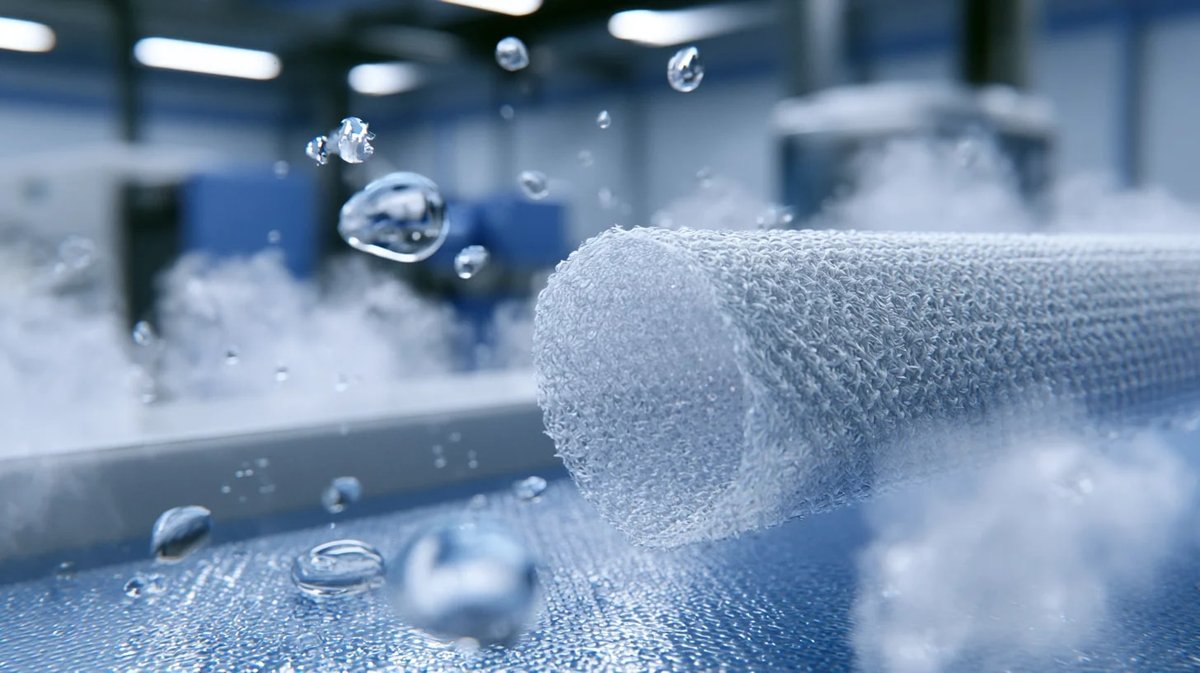
Topic coverage and key points
IP67 protection class means that the device can withstand water at a depth of 1 meter for 30 minutes and prevents dust from penetrating. While the closed enclosure provides this protection, it creates a new problem: the heat and moisture accumulated inside cannot be balanced with the external pressure and cause deformation on the seal surfaces. In systems operating without a pressure balancing valve, the seals receive water from the smallest weak point, like "a flood occurs through the eye of a needle".
This is where the ePTFE membrane comes into play. Its expanded polytetrafluoroethylene structure allows air molecules to pass freely while keeping the pores much smaller than water droplets. Thus, waterproof ventilation is ensured, the internal pressure is equalized with the outside and the seal life is extended. The membrane also prevents condensation from forming inside by expelling steam.
The situation becomes clearer in industrial applications. Automotive sensor boxes, LED driver enclosures, medical devices, and outdoor electrical panels frequently use ePTFE-based pressure compensating valves. These valves are easily installed with screws or adhesive and are resistant to vibration and temperature cycles. A correctly selected membrane allows the device to breathe while maintaining IP67 protection; Otherwise, you will be faced with a situation where "the heart does not want what the eye sees".
In membrane selection, parameters such as pore size, air flow rate and water inlet pressure should be taken into consideration. While ePTFE with more open pores is preferred in applications requiring high air flow, tighter structured membranes are used in environments where water pressure is high. Striking this balance requires experience and testing.
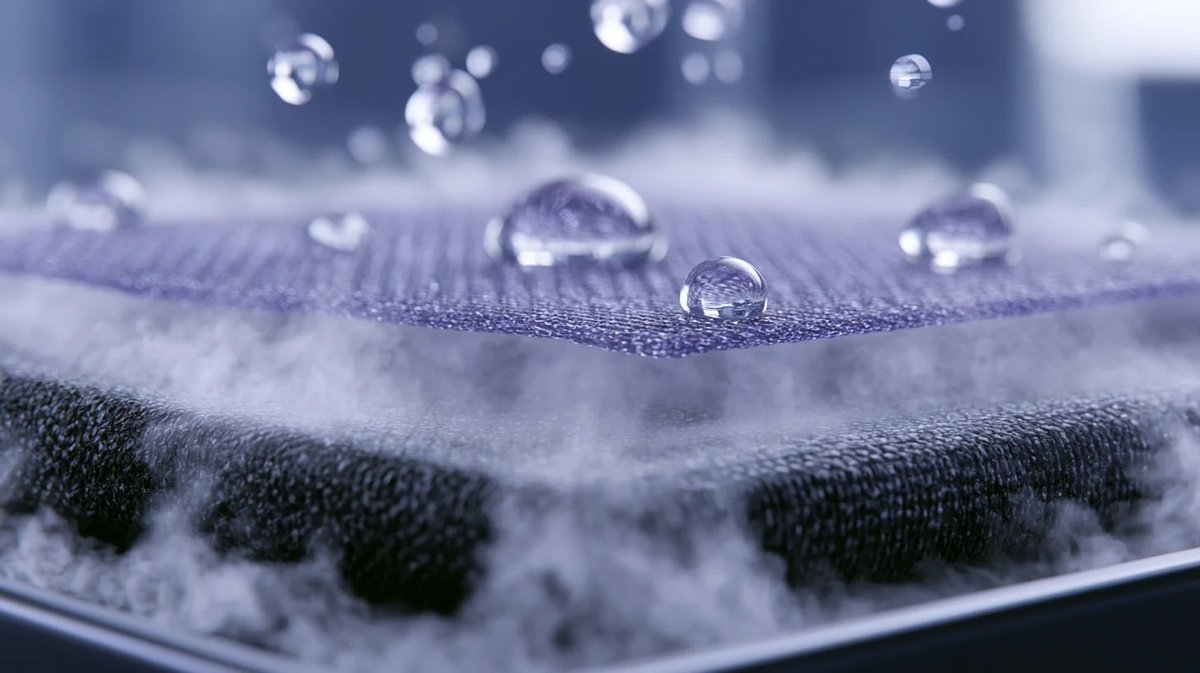
Comparative technical data
The table below summarizes the main differences between ePTFE membrane pressure balancing valves and conventional ventilation methods.
The table shows that the membrane solution is superior in both protection and long-term reliability.
Frequently asked questions
Does drilling holes in the IP67 enclosure damage the protection?Yes, when the hole is drilled directly, the possibility of dust and water ingress increases significantly. That's why a pressure balancing valve with ePTFE membrane is preferred.
How long does the ePTFE membrane last?Properly designed and tested membranes maintain their function throughout the life of the device (usually 5-10 years); It is resistant to UV, chemical and mechanical effects.
In which sectors does waterproof ventilation become mandatory?Automotive lighting, outdoor energy systems, medical diagnostic devices and industrial sensor boxes are the areas where they are most frequently needed.
How much does the membrane restrict airflow?Modern ePTFE materials are optimized to enable sufficient air passage while providing the desired level of protection; The flow value is selected according to the application need.
Does pressure balancing valve installation require special tools?No, most models come with screws or adhesives and can be installed using standard assembly procedures.
Next step
Contact us for ventilation that maintains IP protection. You can evaluate suitable ePTFE membrane and pressure balancing valve options by sharing your technical specifications. 📩 sinangokce@idealplastik. com.
Contact:
📩 sinangokce@idealplastik.com.tr
📞 +90 212 612 68 40 / 41
📍 Istanbul – Türkiye
Related guides
Continue reading: What is Plastic Injection Molding? Basic Processes and Areas of Use.
Continue reading: Extending the Life of LED Luminaires with Smart Ventilation.