
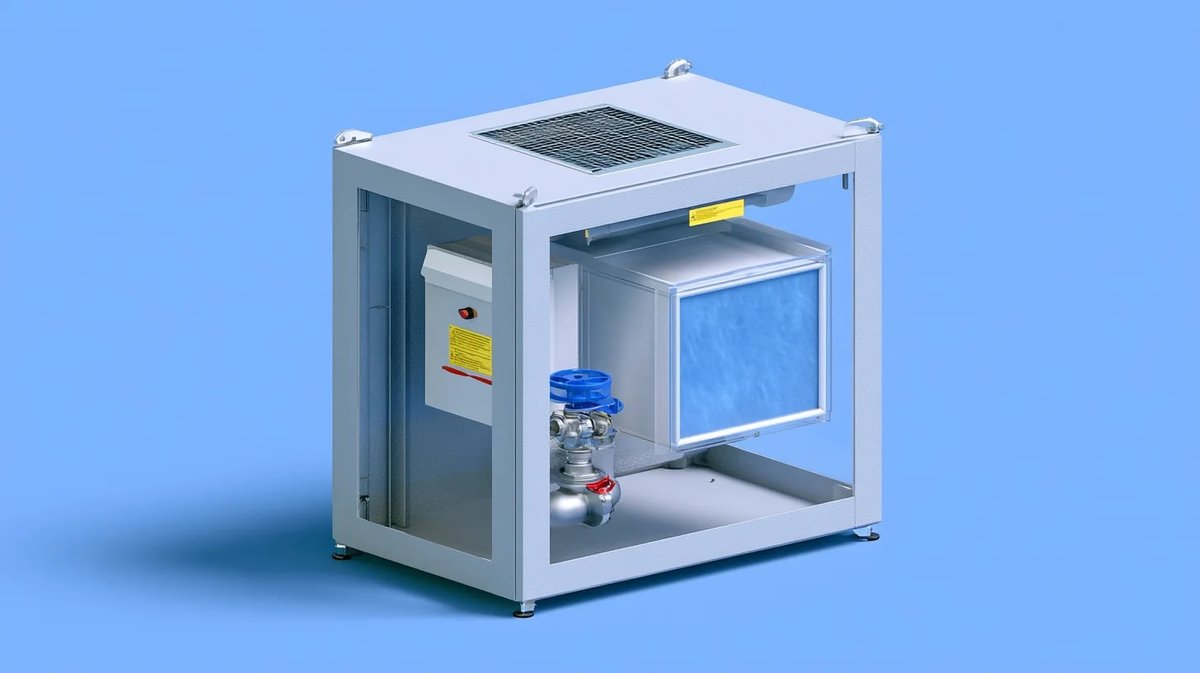
Problems such as temperature fluctuations inside the cabinet, moisture accumulation and gas expansion constantly occur in electronic enclosures. Using a pressure balancing valve in such environments simultaneously allows air to be expelled and prevents external factors from entering. Those looking for technical information often need ventilation provided that it maintains the IP protection class. The solution lies in the controlled permeability provided by ePTFE membrane technology.
Especially in projects that require IP66 ventilation, without a pressure balancing valve, housing seals will age prematurely or the risk of leakage increases. The structure, which keeps water droplets and dust particles out as air molecules pass through, supports both safety and long-lasting use.
Topic coverage and key points
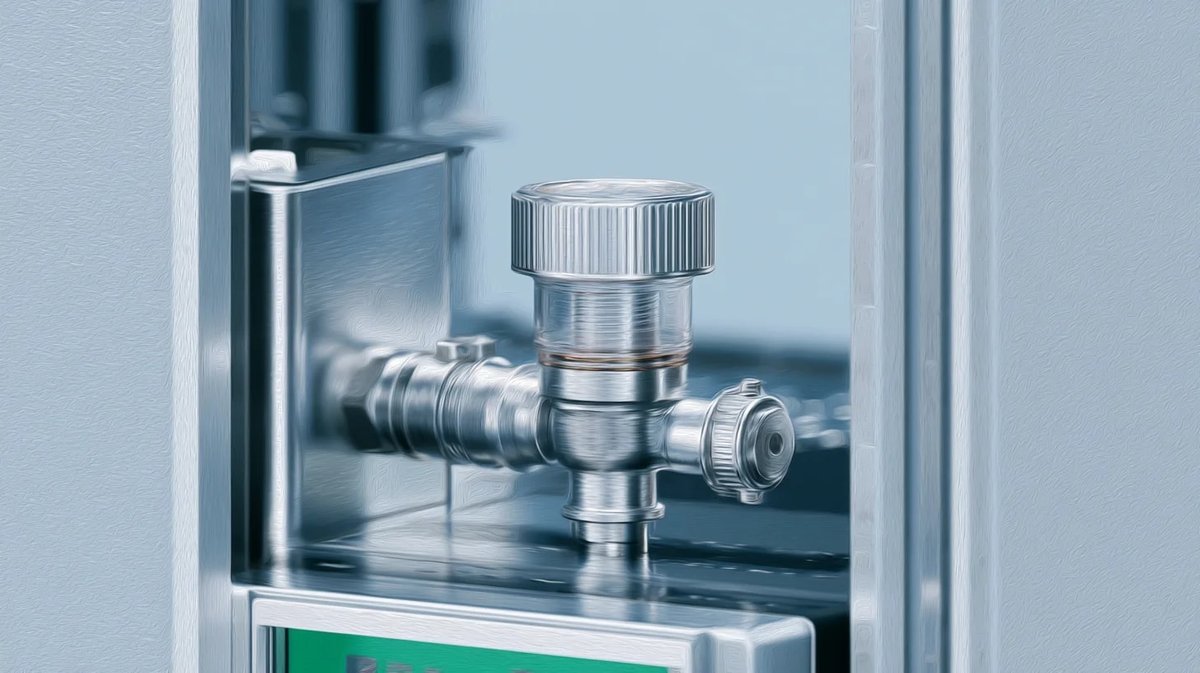
Pressure changes within the enclosure predispose the seals to stress and allow water or dust to enter. This contradiction between ventilation and IP protection has been overcome thanks to material science. The ePTFE membrane structure works with a pore network formed by expanded polytetrafluoroethylene fibers. This network acts as a filter based on molecular size while ensuring permissible air flow.
Air molecule passage occurs through micropores inside the membrane. Each pore is sized such that oxygen and nitrogen can pass through, but the surface tension of water does not allow it to pass through the pores. Thus, the air-permeable, water-tight valve feature emerges. Dust particles are blocked in the same way; In environments requiring IP66 ventilation, this structure passes both water spray tests and dust ingress tests.
Similar valves are used in many sectors, especially in industrial applications, automotive electronic boxes, solar energy inverters and medical device housings. These simple-to-install elements can be placed in narrow spaces without disturbing the cable layout. Since the pore diameter and valve size can be adjusted according to customer demand, it is possible to produce solutions in different IP classes.
If the appropriate membrane is not selected, pressure balance cannot be achieved and the seals become deformed over time. Therefore, valve type and membrane properties must be verified with technical data during the design phase. The pressure balancing valve allows the enclosure to breathe while effectively keeping external threats away.
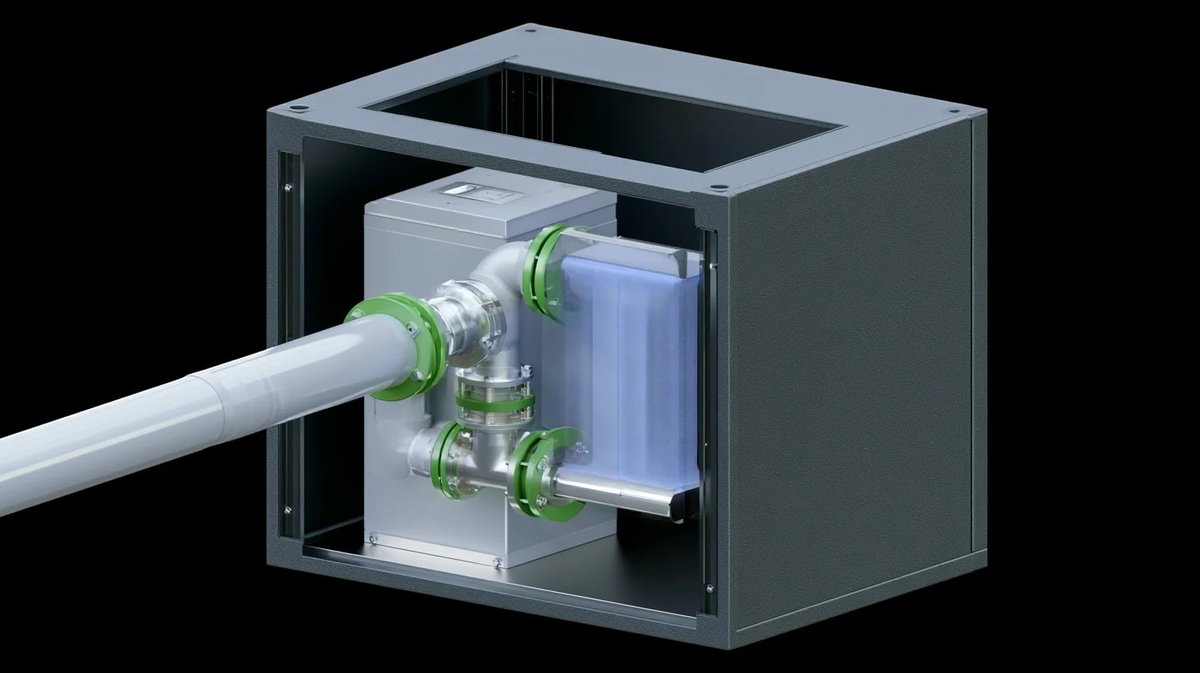
Table / Information
The following comparison summarizes the differences between pressure balancing valve and traditional ventilation methods:
- air permeability: ePTFE membrane valve provides controlled flow between 1-5 L/hour. Perforated lids release tens of liters of air per minute.
- Water and dust protection: Meets IP66/IP67 standards. Perforated solutions remain in the IP20-IP40 range.
- Pressure balancing speed: Provides stability within 30 seconds in case of sudden temperature changes. Static holes can last for hours.
- maintenance needs: Dirt accumulation on the membrane is rare, periodic control is sufficient. Perforated structures require regular cleaning.
This data makes it easier for design engineers to select the correct valve according to the project specification.
Frequently asked questions
How long is IP protection maintained without a pressure compensating valve?If the seals are constantly exposed to pressure differences, they will deform in a short time; leakage becomes inevitable.
In what temperature range does the ePTFE membrane operate?Generally shows stable performance between -40 °C and +120 °C; This limit can be expanded with special formulations.
Does the valve lose its function when the membrane becomes clogged?Dirt and oil buildup can clog pores; In this case, the valve must be replaced. Regular visual inspection is recommended.
How to determine the number of valves for IP66 ventilation?Selection is made proportional to the valve flow by calculating the cabin volume and expected temperature difference; This is where manufacturer technical support helps.
What is the cost difference between an air-permeable watertight valve and a standard gasketed lid?The initial investment is a bit high, but the total cost of ownership decreases as it reduces malfunction and maintenance expenses.
Next step
Contact us for the pressure balancing solution suitable for your project. 📩 sinangokce@idealplastik. com.
Contact:
📩 sinangokce@idealplastik.com.tr
📞 +90 212 612 68 40 / 41
📍 Istanbul – Türkiye
Related guides
Continue reading: What is Plastic Injection Molding? Basic Processes and Areas of Use.
Continue reading: Extending the Life of LED Luminaires with Smart Ventilation.