
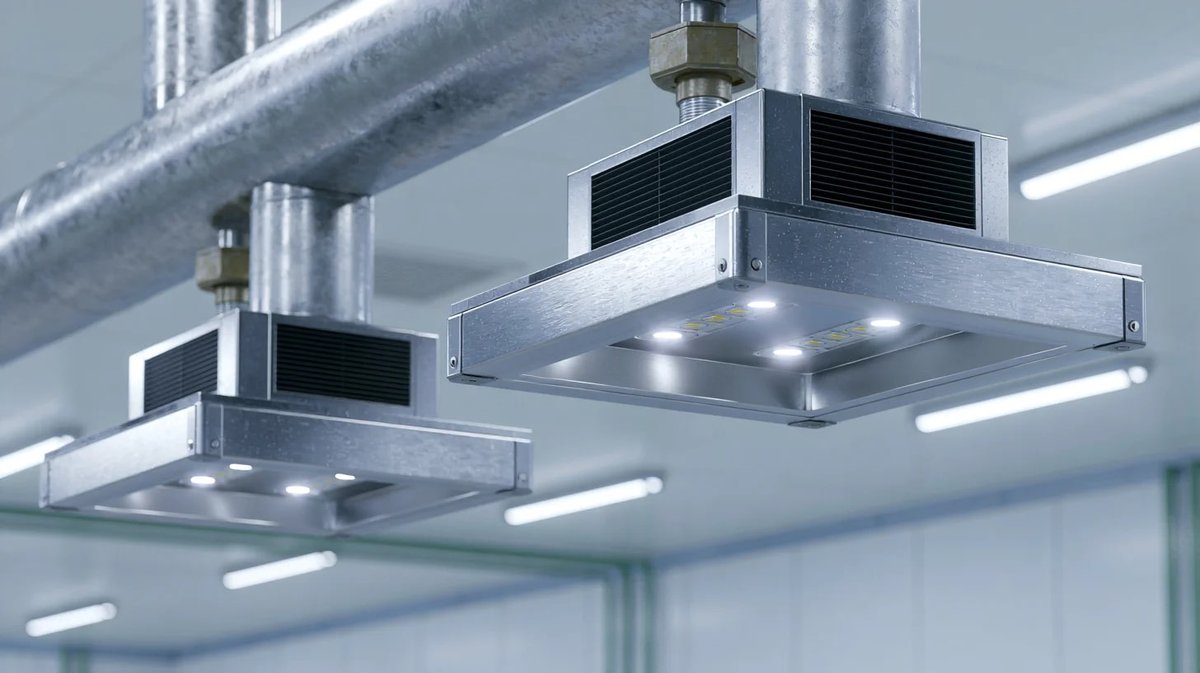
The need for silicone gasket thread protection is a common issue in lighting fixtures and electrical enclosures. While users generally expect IP67 level of sealing, they want to examine from a technical perspective whether silicone seals will meet this expectation. Although silicone gaskets seem advantageous at first glance with their flexible structure, factors such as pressure changes, temperature fluctuations and condensation can complicate matters in long-term use. Therefore, before making a decision, it is essential to know the working principle of the gasket and its possible limits.
Technical researchers look not only at the initial tightness of the seal, but also at how it behaves over time. When it comes to IP67 protection, the seal must not be deformed for full insulation against water and dust. However, the inadequacy of silicone material in some environments causes problems such as armature gasket deformation. In this article, we will discuss the subject step by step, starting from the basic principles.
Topic coverage and key points
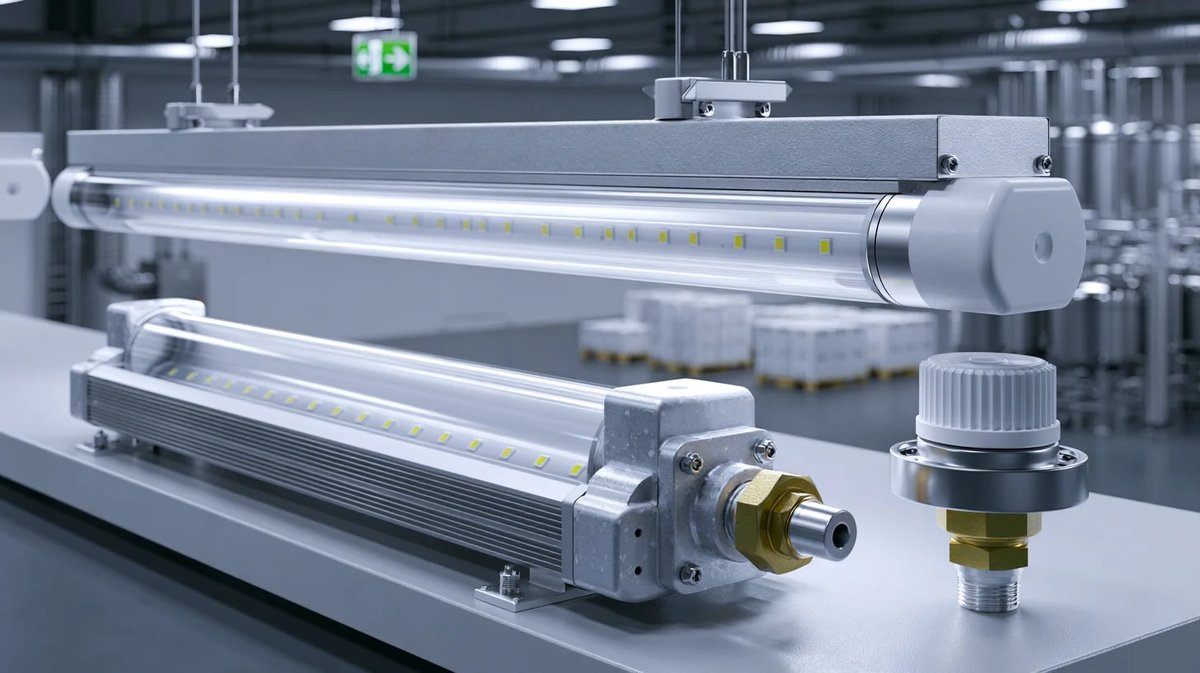
The gasket prevents external factors by filling the gap between two surfaces. This mechanism, which seems simple, is based on the flexibility and adhesion strength of the material in silicone gasket rope protection applications. When first installed, it acts as a sealing strip and keeps water out. But the working principle of the seal depends on a constant balance; If the material fatigues over time, gaps occur.
UV rays and temperature effects are one of the main weak points of silicone seals. In luminaires that are left under the sun for a long time, the material may harden and crack. Silicone, which expands at high temperatures, contracts when it cools down, and this cycle causes the gasket to change shape. As a result, the IP67 protection level deteriorates and the risk of water infiltration increases.
Lack of pressure balancing is also a separate problem. In closed enclosures, internal pressure rises or falls with temperature changes. When the silicone gasket cannot maintain this balance, air leaks from the edges of the gasket and causes moisture to accumulate. This is why armature gasket deformation becomes a common type of failure.
Long-term risks outweigh. A system that works smoothly in the first months, gets water after two or three years as the gasket loses its elasticity. Dust and moisture accumulation affects electronic components, increasing repair costs. The proverb "A stone is heavy in its place" also applies here; If you do not choose the gasket correctly, subsequent problems will plague you.
For those looking for alternative solutions, elastomer-based special gaskets or integrated gasket-body designs stand out. These options are produced from materials that are both pressure resistant and UV resistant. Choosing permanent gasket solutions instead of sealing tape extends the life of the fixtures.
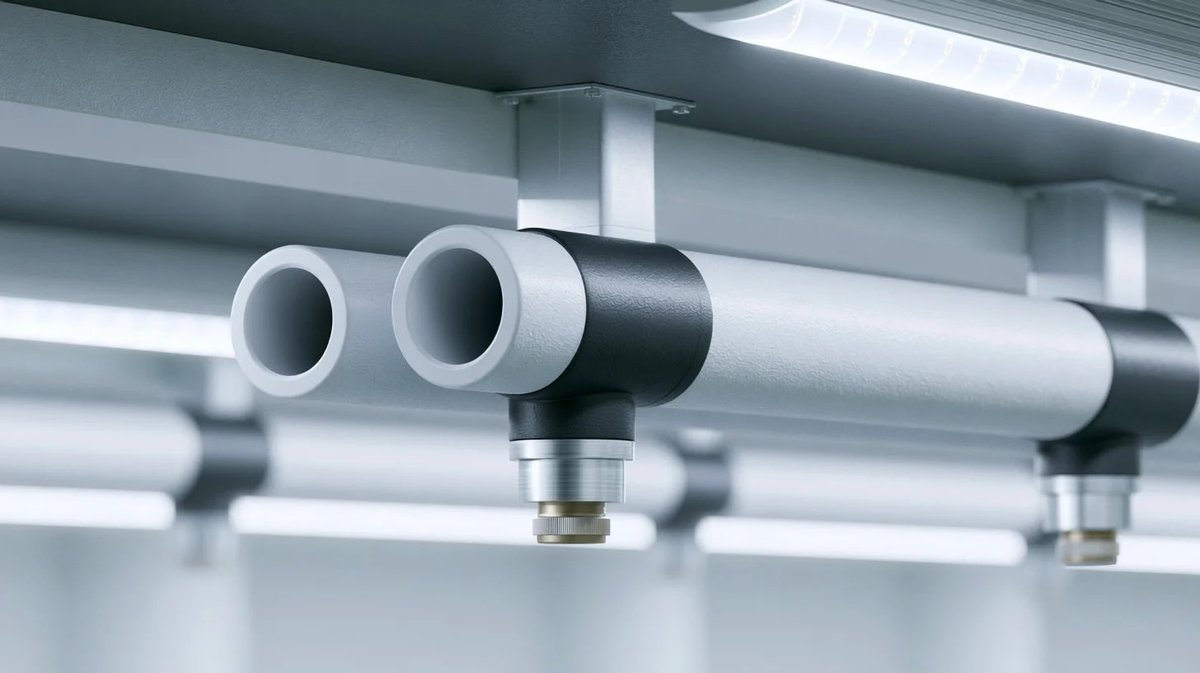
Table / Information
The following comparison summarizes the silicone gasket rope protection performance according to different criteria. Values are prepared according to general usage scenarios.
This table shows which points should be taken into consideration when making a choice. Although adding sealing tape provides a temporary solution, the quality of the base material is decisive.
Frequently asked questions
What should I look for when choosing a fixture for silicone gasket rope protection? Check the fixture's operating temperature range, outdoor UV exposure, and internal pressure variations. Compliance of the gasket material with these conditions maintains the IP67 protection level for a long time.
How to understand armature gasket deformation? Moisture accumulation in the device, cracks on the edges of the gasket or loss of sealing are the first signs of deformation. Regular checkup catches this problem early.
Is sealing tape an alternative to silicone gasket? The band provides short-term additional protection, but does not replace a permanent solution. If the pressure imbalance continues, IP67 protection is again at risk.
Are there any other precautions other than gaskets required for IP67 protection? Yes, using a pressure balancing hole or special valve in the housing design reduces the seal load and extends the life of the system.
How long do silicone gaskets last at high temperatures? Although it performs up to 200°C for short periods of time, elastomer options provide more reliable results at continuously high temperatures.
Next step
Choosing the right gasket for IP protection both extends the life of the device and prevents unexpected malfunctions. Get quotes for more secure IP solutions. Contact: — 📩 sinangokce@idealplastik. com.
Related guides
Continue reading: What is a Gasket? Types and Areas of Use.
Continue reading: Can Electrical Insulation Be Provided with Plastic Gasket?.