
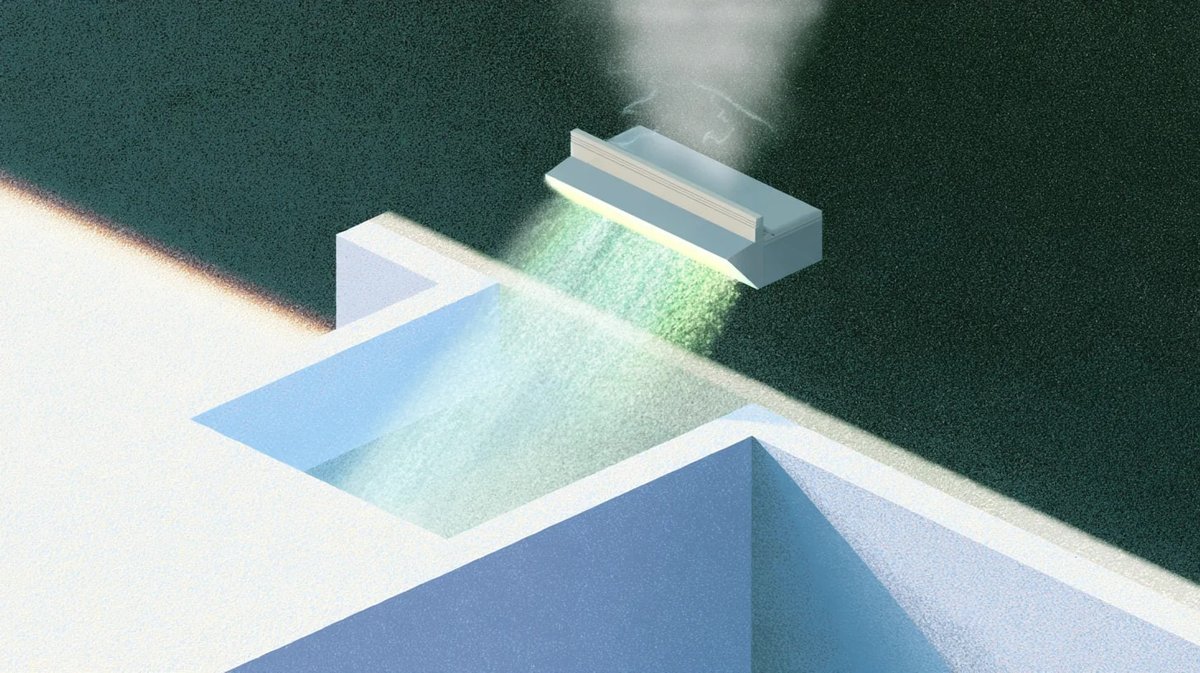
LED fixtures with IP66 and IP67 protection are resistant to harsh conditions outside, but this durability sometimes brings with it the pressure that begins to accumulate inside. Expansion and contraction caused by temperature changes, especially in closed spaces, may lead to deformation in the seals or body over time. While doing technical research, users mostly ask whether "ip66 LED fixture" can breathe and air without accumulating moisture and preventing dust and water ingress. Forgetting to vent while seeking complete sealing in traditional design is a silent threat that shortens the life of the fixture. That's why engineers search for solutions that provide air flow without reducing the protection class. Using special membranes or vent plugs instead of simply drilling a hole protects the water tightness and ensures pressure balance.
Topic coverage and key points
IP protection degrees indicate how resistant the luminaire body is to dust and water ingress. IP66 provides protection against strong water jets, while IP67 also covers short-term submersion. This level of sealing requires the seals and connection points to be perfect. However, when the temperature rises in an airtight box, the internal pressure increases and microcracks may occur on the seal surfaces.
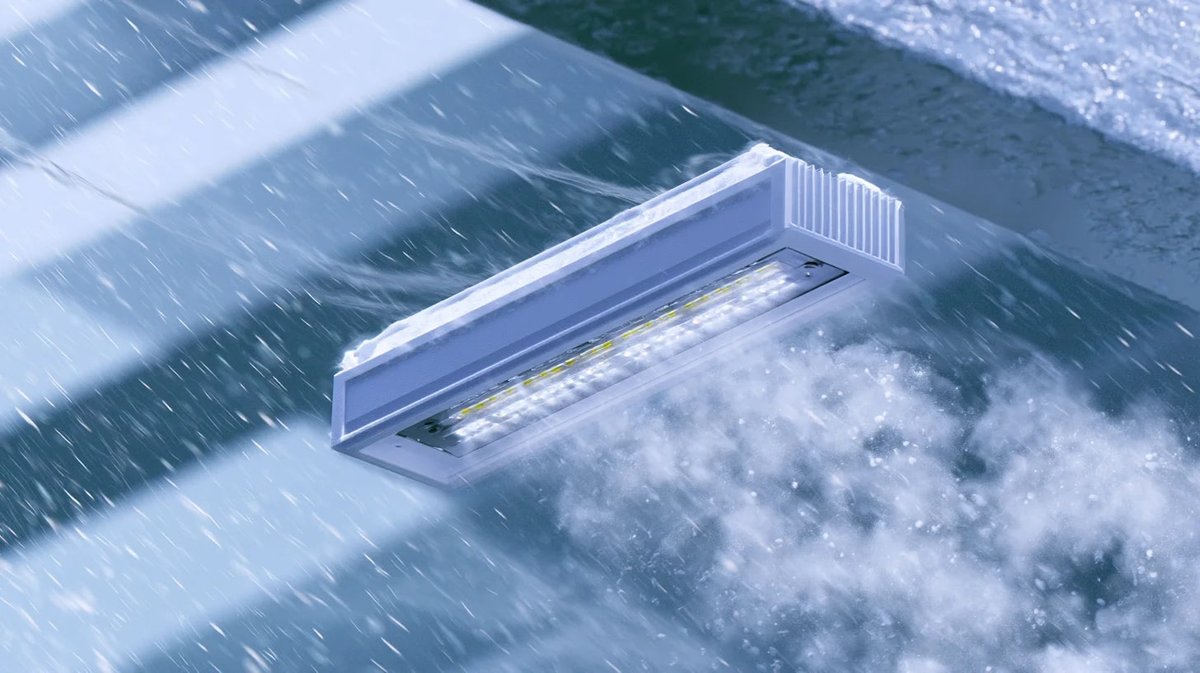
Pressure-related risks start right here. When the IP67 armature heats up under the sun and cools down in the evening, the air inside contracts and tries to draw moisture from the outside. After a few cycles, mist or droplets appear on the inner surface of the lens. This not only reduces the lighting quality, but also paves the way for corrosion in electronic components.
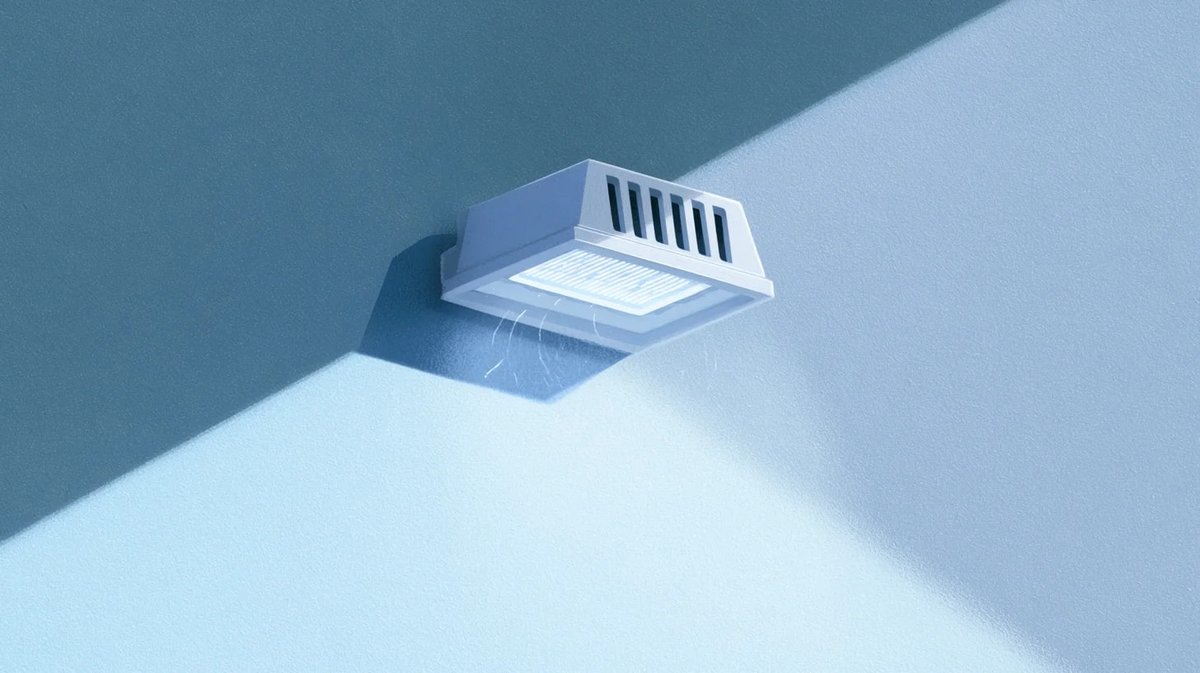
This is where ePTFE membrane technology comes into play. Its expanded polytetrafluoroethylene structure allows air molecules to pass through its pores while keeping water droplets out. The membrane also blocks dust particles with its pores of 0.2-0.5 microns. Thus, a continuous "breathing" movement is provided within the IP66 LED luminaire.
Striking the balance between air passage and water barrier is the basis of vent plug design. Plugs are usually equipped with GORE-TEX or similar membranes and are screwed to the armature body thanks to their threaded structure. It is easy to mount, there is no need to drill extra holes. Some models have an integrated pressure balancing feature and can quickly equalize a difference of 0.5-1 bar in case of sudden temperature changes. The waterproof, air-permeable membrane thus maintains its protection class and keeps the interior volume of the fixture dry.
The advantages of the application are endless. Since dust and moisture do not accumulate, lens transparency is maintained for many years, and the heat of the LED module is dissipated more efficiently. Maintenance intervals are extended and the frequency of malfunctions is reduced. Products equipped with this technology are preferred especially in outdoor pole lighting, tunnel fixtures and industrial ceiling lamps. In practice, this is a balance that looks like “both exists and does not exist”; Air gets in while water stays out.
Comparative Specifications
The table below compares two common ventilation approaches used in ip66 LED fixture applications.
These data are compiled from field tests and provide similar results in different climatic regions.
Frequently Asked Questions
Will the protection class decrease when I install a vent plug on an IP66 LED luminaire?No. Quality ePTFE membrane plugs will not compromise the original IP66 or IP67 rating. Tests show that the same level of protection is provided in terms of both water spray and dust ingress.
Which type of membrane will last longer?Membranes based on expanded polytetrafluoroethylene are resistant to UV rays and chemicals. Air permeability does not decrease significantly for 10 years.
How long does it take for the fixture to fail without ventilation?Although it varies depending on climatic conditions, it is common to see condensation on the inner surface of the lens within 12-18 months and electronic failure within 2-3 years. The process accelerates as pressure cycles fatigue the seal.
Can a vent plug be added to existing fixtures later?Yes. For fixtures with standard screw holes, installation can be done in 10-15 minutes. For models without holes, operation can be done from the appropriate point with the manufacturer's approval.
How much difference do waterproof air permeable membrane prices make?Although the initial cost increases by 3-8 percent, the total cost of ownership decreases because it reduces malfunction and maintenance expenses.
Next Step
Get a quote for ventilation without breaking IP protection. For vent plug or membrane solutions suitable for your technical conditions, Contact: — 📩 sinangokce@idealplastik. com.
Related guides
Continue reading: What is Plastic Injection Molding? Basic Processes and Areas of Use.
Continue reading: Extending the Life of LED Luminaires with Smart Ventilation.