
Gain practical information about DFM principles, tolerance management, shrinkage, runner and cooling channel design in injection mold design.
What is Injection Mold Design?
Injection mold design is the process of planning the mold geometry, flow paths and cooling structure in order to produce a plastic part suitable for mass production. This process is not limited to CAD drawing only; Material behavior, manufacturing tolerances and process parameters are also integral parts of the design.
Today, a successful mold design is less about a “working” mold and more about it.Able to produce stable production on the first tryrepresents a system. At this point, the DFM approach comes into play.
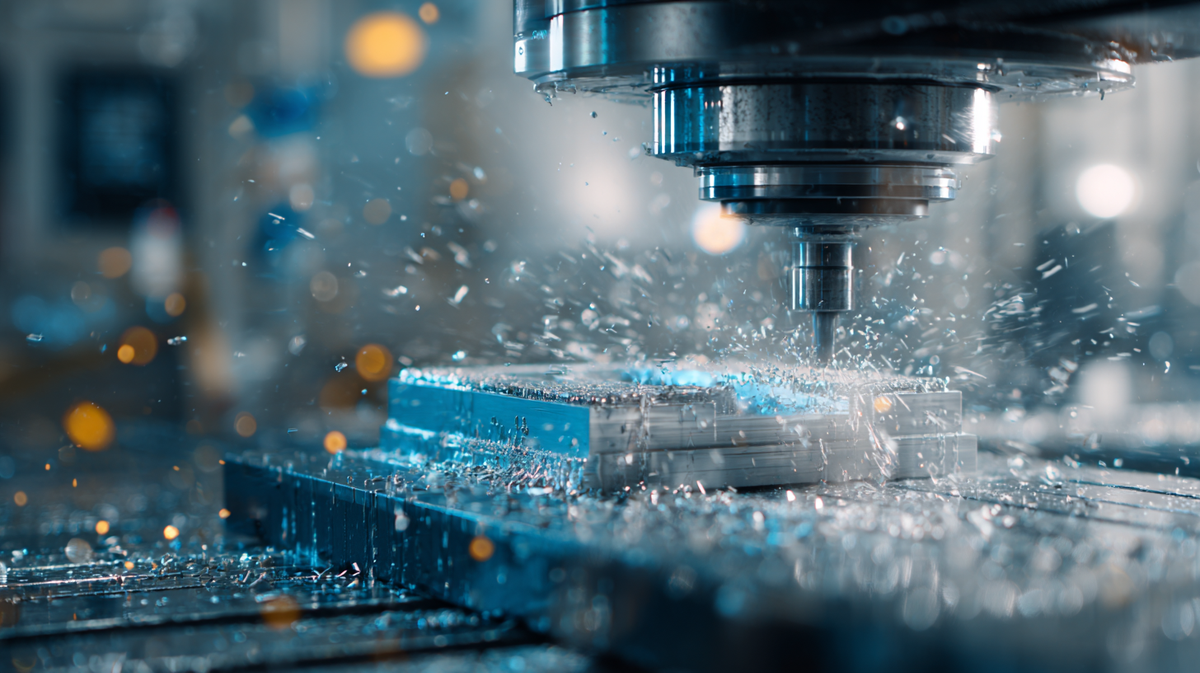
What is DFM (Design for Manufacturing)?
DFM, i.e.Design for ManufacturabilityIt refers to the evaluation of the suitability of a part for the production process at the design stage. The aim is to eliminate design-related production problems before even starting mold manufacturing.
Thanks to the DFM approach;
- The number of revisions decreases
- Mold trial times are shortened
- Waste rate decreases in mass production
DFM is not only an engineering perspective but also a cost and time management tool.
Tolerance Management: Too Much Is a Problem
Tolerance in plastic injection molding parts is often confused with metal parts. However, considering the thermal expansion, tensile and elastic behavior of plastic materials, excessively tight tolerances make production difficult.
In correct tolerance management, answers are sought to the following questions: Does the part really need this tolerance functionally? Can this tolerance be sustained in mass production?
Tolerance expectations of functional surfaces and aesthetic surfaces should be distinguished. Otherwise, unnecessary mold precision will both increase cost and reduce production stability.
Why is Shrinkage a Critical Parameter?
Plastic materials shrink in volume as they cool after injection. This behavior is defined as shrinkage and is different for each material. At the same time, part geometry, wall thickness and cooling efficiency also affect the amount of shrinkage.
When the shrinkage allowance is not calculated correctly, the following problems arise: Dimensional deviations, assembly incompatibilities, and part deformations.
For this reason, the shrinkage allowance should be evaluated on a piece-by-piece basis, not just by looking at the material datasheet.
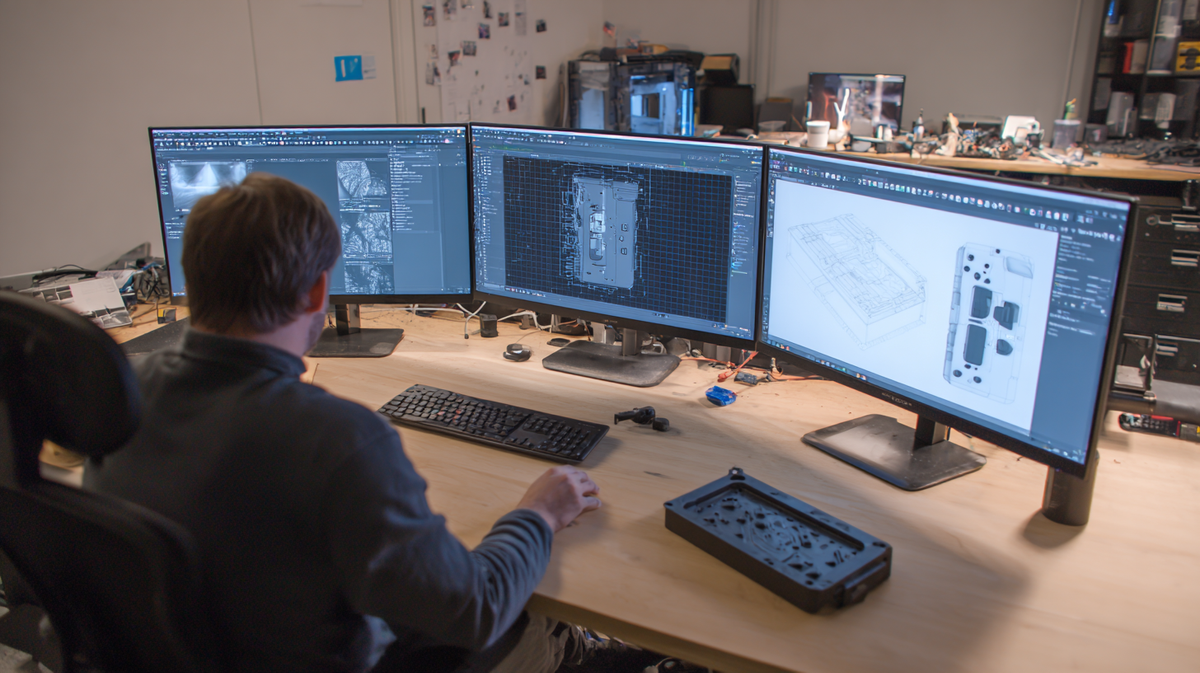
Runner Design: Controlling the Flow
The gating system determines how the molten plastic reaches the part cavity within the mold. A balanced runner design ensures that all cavities are filled simultaneously.
Incorrect runner design can lead to production problems such as flow marks, filling errors and internal stresses.
The runner diameter, length, and entry point must be considered along with the part geometry. Especially in multi-cavity molds, flow balance becomes critical.
Cooling Channel Design: The Invisible But Most Effective Element
The majority of an injection cycle time is devoted to cooling. Despite this, cooling channel design often remains in the background. However, when homogeneous cooling is not provided, internal stresses and bending of the parts are inevitable.
An effective cooling design improves part surface quality, shortens cycle time and extends mold life.
The distance and distribution of the cooling channels to the part surface directly affects the dimensional stability.
Part Optimization: Design Suitable for Production, Not the Mold
When the part design is shaped only with aesthetic expectations, serious problems may arise during the production phase. Sharp corners, sudden wall thickness changes and unnecessary ribs are risky in terms of mold and production.
Part optimization aims to facilitate production by preserving the function of the part. This approach gives the most efficient results when taken together with mold design.
Mold Design with Checklist Logic
Successful injection mold design is based on many small lines, not a single line. When DFM, tolerance, shrinkage allowance, runner and cooling system are evaluated together, both quality and continuity are ensured.
This holistic approach creates a critical advantage, especially in projects that will be put into mass production.
Injection mold design is not just a technical drawing process, it is the basis of the production strategy. A design handled with DFM principles, with correct tolerances and part optimization; Provides predictability in production. This means sustainable production in terms of quality, cost and time.
📩 sinangokce@idealplastik.com.tr📞 +90 212 612 68 40 / 41📍 Istanbul – Türkiye
You can request a free DFM checklist and evaluate your projects in terms of production.
Related guides
Continue reading: What is Plastic Injection Mold? Parts, Types and Working Principle.
Continue reading: 2025 Guide to Choosing the Ideal Injection Mold.