
The Importance of Pressure Balancing ValvesDevices and systems used in modern industries must be resistant to external environmental conditions and sudden pressure changes. This is where pressure balancing valves play a critical role in optimizing the performance of systems and extending their life. With their waterproofing, ventilation and pressure balancing functions, they provide a reliable solution in many sectors from electronic devices to automotive.In this article, we will discuss in deta
Importance of Pressure Balancing Valves
Devices and systems used in modern industries must be resistant to external environmental conditions and sudden pressure changes. At this pointpressure balancing valvesIt plays a critical role in optimizing the performance and extending the life of systems. With its waterproofing, ventilation and pressure balancing functions, it offers a reliable solution in many industries, from electronic devices to automotive.
In this article, we will discuss in detail how pressure balancing valves work, their advantages and areas of use.
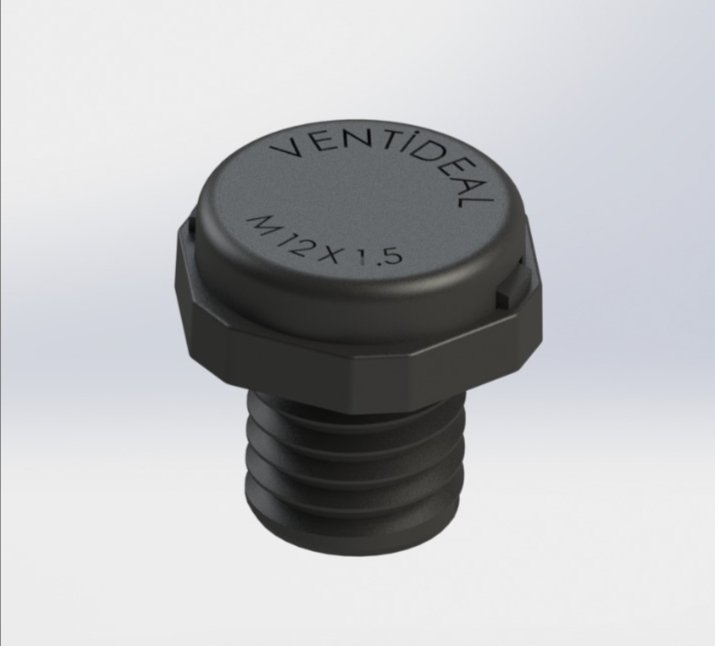
1. What are Pressure Balancing Valves and How Do They Work?
Pressure balancing valves are a special solution designed to balance the difference between the indoor and outdoor pressure of devices. It regulates sudden temperature changes, external environmental conditions or pressure differences that occur during the operation of the device.
- Working Principle:Thanks to a special membrane, the valve allows air to pass and prevents water, dust and other external factors.
- Ventilation Function:It expels moisture that may occur inside and prevents water condensation.
2. Advantages of Pressure Compensating Valves
a. Waterproof and Dust Protection
Pressure balancing valves protect devices against ingress of water and dust, ensuring high protection standards such as IP67 and IP68. This feature is a critical advantage, especially in outdoor applications.
b. Prevents Corrosion
Valves minimize the risk of corrosion by preventing moisture formation inside the devices. This extends the life of electronic components and mechanical parts.
c. Durability and Chemical Resistance
Pressure balancing valves remain durable even in harsh environmental conditions. Thanks to its high chemical resistance, it can be used safely in automotive and industrial applications.
d. Easy Assembly
It offers easy installation with both adhesive and non-adhesive options. It can be quickly integrated into different devices and systems.
3. Uses of Pressure Balancing Valves
Electrical and Electronics
- It is used in waterproof electronic devices, batteries and sensors.
- It prevents system malfunctions by protecting electronic components from the external environment.
Automotive
- Provides pressure balancing in engine compartments, headlight guards and sensors.
- It increases the security of in-vehicle electronic systems.
Lighting
- Provides ventilation and waterproofing in LED lamps.
- It balances pressure differences caused by sudden temperature changes.
Ventilation Systems
- It increases performance by using in industrial ventilation equipment.
4. Things to Consider When Choosing a Pressure Balancing Valve
- Protection Level:IP67/IP68 certified valves should be preferred.
- Material Durability:Materials that are resistant to chemical and environmental conditions are important.
- Mounting Options:Adhesive or non-adhesive mounting type should be determined according to need.
- Airflow Capacity:The valve must have airflow to meet the needs of the system.
Reliable Systems with Pressure Balancing Valves
Pressure balancing valves increase the performance and extend the life of the devices by protecting them against external environmental conditions. An indispensable solution in many industries such as electricity, automotive and lighting, these valves offer durability and reliability.
Ventideal Pressure Balancing ValveYou can achieve maximum efficiency in your projects with innovative solutions such as: For more informationcontact us.
Frequently Asked Questions
1. Are pressure compensating valves waterproof?Yes, the pressure compensating valves are waterproof and have IP67/IP68 protection levels.
2. In which sectors are pressure balancing valves used?It is widely used in many sectors such as electrical, automotive, lighting and ventilation.
3. Is the pressure balancing valve easy to install?Yes, it can be easily integrated with adhesive and non-adhesive mounting options.
Related guides
Continue reading: What is Plastic Injection Molding? Basic Processes and Areas of Use.
Continue reading: Extending the Life of LED Luminaires with Smart Ventilation.