

Vent plugs are small but critical components that prevent the ingress of moisture and dirt by balancing air pressure in closed systems. Under harsh conditions in different industries, the correct selection of these plugs directly affects product life. These seemingly simple parts work silently in many areas, from vehicle headlights to electronic housings, ensuring the smooth operation of systems. For manufacturers, material quality and design precision form the basis of long-term reliability.
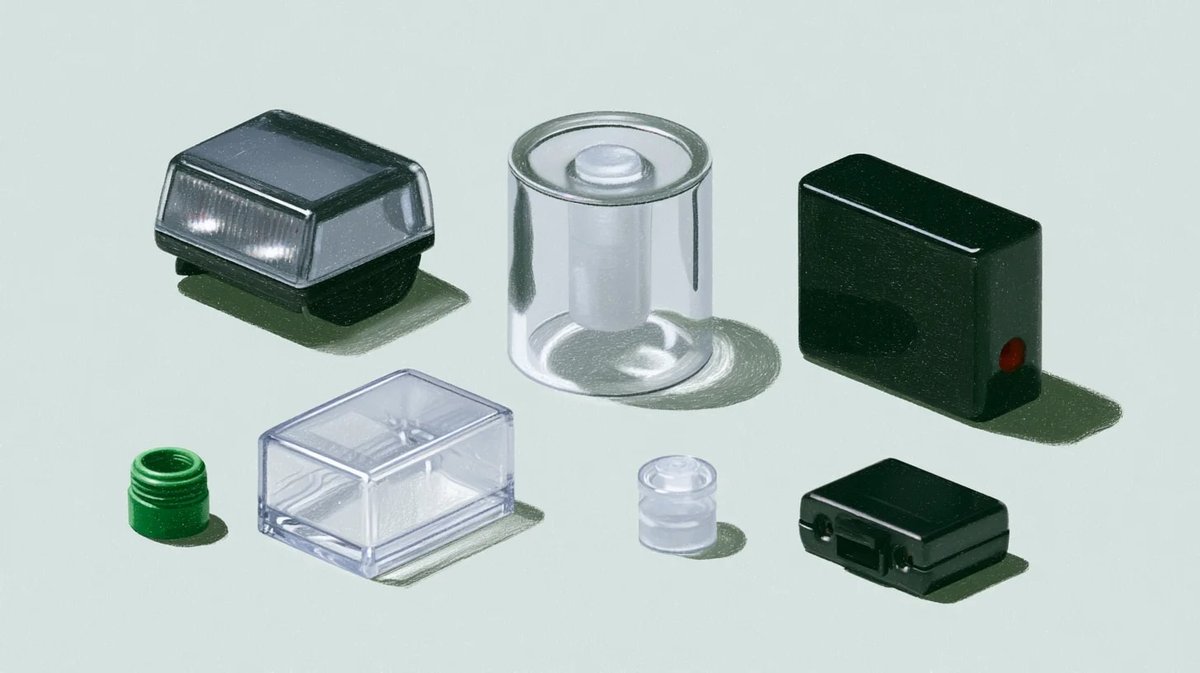
What is a Vent Plug and How Does It Work?
The vent plug usually consists of a porous membrane or valve structure. This structure keeps water, dust and pollutants out while allowing air to flow in and out. Membrane technology has hydrophobic properties that prevent water droplets while having pores fine enough to pass air molecules. Models used in different sectors are produced with PTFE or silicone-based materials, and each offers a level of resistance appropriate to its working environment.
Its working principle may seem simple, but it is designed to be sensitive enough to balance pressure differences even at the millimeter mercury level. As the saying goes, “a small hole goes a long way”; The absence of even a single plug can cause electronic cards to oxidize or automotive headlights to fog. Material selection is at least as important as design; silicone, EPDM or special PTFE membranes meet different temperature and chemical resistance needs. During the production process, body parts shaped by injection molding techniques are meticulously tested for ease of assembly and leakproofness. In this way, plugs perform their duties without interruption in both static and dynamic environments.
Use of Vent Plugs in the Automotive Industry
In the automotive industry, vent plugs are used in every corner of vehicles that are in constant contact with the external environment. Headlight groups, battery boxes, electrical junction boxes and underbody modules are the main usage points. In daily use, vehicles are exposed to various road conditions and these plugs prevent damage to the seals by softening the pressure fluctuations in the internal volumes. The increased use of battery boxes, especially in electric vehicles, has further highlighted the role of plugs in thermal management.
Since temperature changes can exceed 50 °C between day and night, plugs must be both expansion resistant and UV resistant. This resistance is achieved thanks to the additives used in the material formulation and there is no loss of performance for many years. When choosing these components, vehicle manufacturers attach importance to field tests and apply standards that measure vibration and impact resistance. As a result, the efficient operation of the plugs improves the overall quality of the vehicles in terms of both safety and comfort.
Humidity Control in Headlight and Body Systems
The air inside the headlight expands when it heats up and contracts when it cools. If moisture absorption is not prevented during this cycle, the reflectors will become dull. The vent plug maintains the lighting quality of the headlamp by keeping this cycle under control. Although LED light sources produce less heat in modern headlight designs, moisture caused by external factors still poses a risk. The plugs used for the cable bundles under the hood provide additional protection against both splashing water and road salt. In this way, electrical faults are reduced and maintenance costs are reduced.
In some models, integrated filter layers also keep the connection points clean by trapping fine dust particles. Using vehicles in different climatic zones requires the plugs to be subjected to seasonal resistance tests. Thus, stable performance is achieved in all weather conditions.
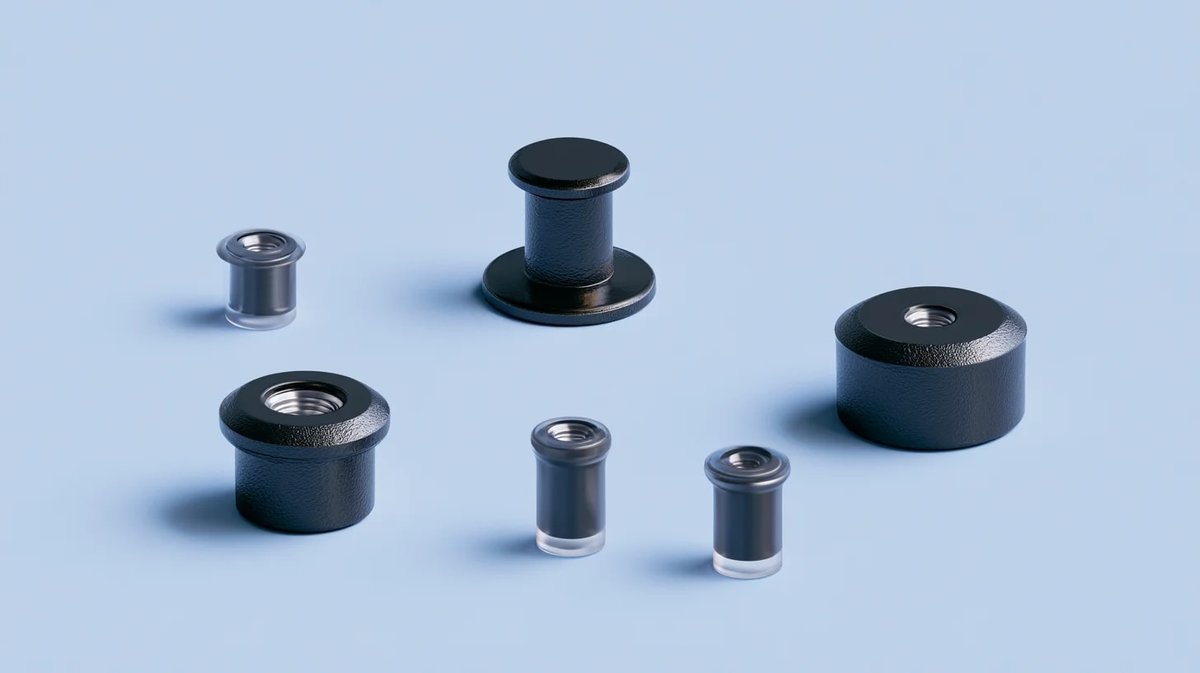
The Role of Vent Plug in the Electronics Industry
Moisture and dust are the biggest enemies of circuit boards in electronic enclosures. Here, the vent plugs take on the task of equalizing the internal pressure with the atmosphere while maintaining the IP protection class. Models used in outdoor devices maintain the sealing of their membranes against wind, rain and dust storms. Without this part, sensitive electronic components would soon be in danger of oxidation. Design engineers direct airflow in the most efficient way by positioning the plugs according to the circuit board layout.
Especially in devices operating outdoors (base stations, solar inverters, industrial sensor boxes), without plugs, the gaskets are deformed in a short time. This deformation may reduce the overall protection class of the device and lead to malfunctions. The pore structure of the plugs prevents liquid ingress on a millimeter scale while keeping air permeability at a certain level. Therefore, maintenance intervals of the devices are extended and operating costs are reduced.
Pressure Balancing in Electronic Enclosures
When the internal temperature of the device rises, the air expands and there is a risk of leakage from the seals. The membrane in the plug releases this expansion in a controlled manner. During cooling, it prevents vacuum formation by allowing air inflow in the opposite direction. This balance slows the oxidation of electronic components and supports the product life expectancy warranty. Flexibility of membranes is critical as pressure differences become more pronounced in high altitude applications.
Additionally, some plugs are equipped with conductive coatings to meet electromagnetic compatibility requirements. This feature prevents sensitive measuring devices from being affected by external interference. Thus, the systems remain protected both environmentally and electrically.
Areas of Use in White Goods and Industrial Equipment
The drum and electronic card compartments of white goods such as washing machines and dishwashers are open to moisture. Here, the vent plugs both reduce condensation and prevent detergent vapor from reaching the cards. The mixture of heat and moisture that occurs during operation stresses the porous structure of the plugs, but quality models withstand these conditions for a long time. Since quiet operation is also important for home users, the vibration absorbing properties of the plugs have been improved.
In industrial robot arms or hydraulic units, the pore size of the plugs operating in dusty environments is controlled at the micron level. In this way, air flow is ensured adequately while particles smaller than 0.5 mm cannot enter. Pressure fluctuations in hydraulic systems operate the valve mechanisms of the plugs regularly and minimize wear. Thus, equipment downtime is shortened and production efficiency is increased. In environments exposed to different chemicals, special coating options are preferred.
Correct Vent Plug Selection Criteria by Industry
Working conditions in each sector are different; Therefore, the IP rating, membrane pore size, operating temperature range and chemical resistance of the plugs must be determined in advance. While vibration and impact tests are at the forefront in automotive applications, electrical insulation values are also examined on the electronic side. Hygiene standards and ease of cleaning affect the selection decision for white goods products. In industrial areas, long-term durability and access to spare parts are taken into account.
While UV and salt spray tests are a priority in automotive, electrostatic discharge compatibility comes to the fore in electronics. On the white goods side, mechanical resistance against vibration and washing cycles becomes critical. For special enclosures with non-standard measurements, it is inevitable to test them through prototype production. During these tests, parameters such as air flow rate, water inlet pressure and thermal cycle are measured and the most suitable configuration is determined. As a result, plugs designed specifically for the sector provide both cost and performance advantages.
Conclusion: The Effect of Sectoral Differences on Product Selection
The choice of vent plug is shaped by the environmental demands of the industry. Using the same plug in every area, like the "cure-all" approach, may work in the short term, but it will cause malfunctions in the long term. With the correct membrane and body combination, product reliability increases and warranty costs decrease. Manufacturers offer customized solutions to their customers with flexible production processes that meet the requirements of different sectors. This approach makes it easier for final products to excel in market competition.
Frequently Asked Questions
How often should the vent plug be replaced?Replacement is not required under normal operating conditions; However, if the membrane shows dirt or chemical degradation, it should be replaced.
What is the difference between IP67 protected plugs and IP68 protected plugs?While IP67 plugs are resistant to temporary water ingress, IP68 plugs can also operate permanently under water for a certain period of time and depth.
Can plugs be produced for custom-sized enclosures?Yes, special body and membrane combinations can be made according to customer design by injection molding method.
Contact:
📩 sinangokce@idealplastik.com.tr
📞 +90 212 612 68 40 / 41
📍 Istanbul – Türkiye
Related guides
Continue reading: What is Plastic Injection Molding? Basic Processes and Areas of Use.
Continue reading: Extending the Life of LED Luminaires with Smart Ventilation.