

When you ask what a valve is, the first thing that comes to mind is a simple but functional part that regulates the air flow inside closed enclosures. The plastic vent plug is a durable solution produced by the injection method that does the same job. These plugs are used specifically to prevent moisture accumulation and balance the pressure inside. This small element makes a big difference when a person or institution wants to keep their electronic devices running smoothly for many years.
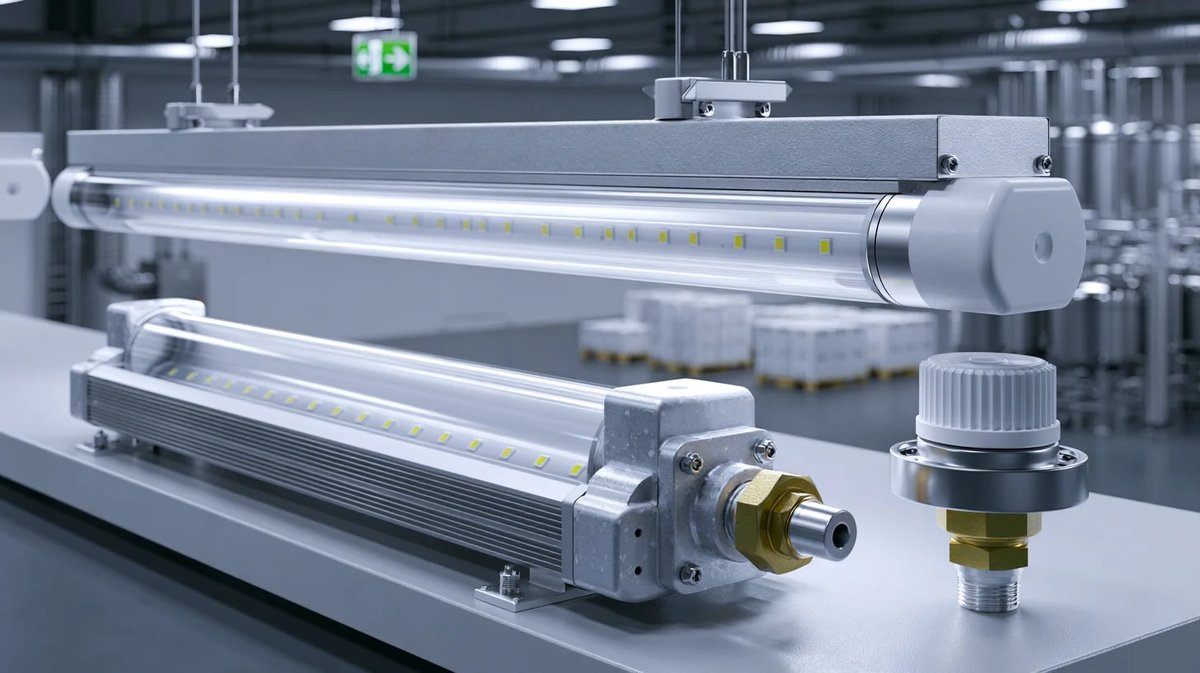
Topic coverage and key points
A valve is basically a valve that equalizes the air pressure inside the enclosure with the outside environment. The pressure balancing principle works very simply: The pressure difference that occurs during heating or cooling allows air to pass through the porous structure of the valve. In this way, the seals will not be damaged and the covers will not be bent.
This principle also reduces the risk of condensation. When the temperature changes inside a closed box, water vapor turns into droplets; If the valve is in the right place, moisture will be released and the circuit boards will not rust. This is where the plastic vent plug comes into play because, with its choice of material, it both prevents water ingress and allows steam to escape.
The IP protection relationship also becomes clear here. If the valve is used in an IP65 or IP67 class enclosure, the pressure is equalized while maintaining the level of protection against dust and water ingress. Choosing the wrong valve may reduce the IP rating, while the correct one keeps the entire system safe.
Industrial usage areas are quite wide. It is frequently seen in headlight and sensor boxes, electrical panels, medical device housings and LED fixtures in the automotive industry. Especially in equipment operating outdoors, the plastic vent plug practically meets the need for enclosure ventilation. In a sense, the proverb "enough air to pass through the eye of a needle, tight enough to protect from floods" summarizes the function of this piece.
These products, also known as pressure balancing valves, are shaped with injection molds in production. Pore size, screw thread or adhesive mounting options can be changed according to customer demand. Thus, each sector obtains a solution suitable for its own conditions.
Many years of manufacturing experience ensures that these parts are efficient in both cost and performance. As the saying goes, “a small hole prevents big troubles.”
Comparison Table: Valve Types and Features
This table shows which type is more suitable for which conditions when choosing a plastic vent plug. Clarifying your enclosure ventilation needs will make your job easier when making your decision.
Frequently asked questions
Are a valve and a pressure balancing valve the same thing? Most of the time yes; While valve is a general term, pressure balancing valve is a more technical definition. Both equalize the air pressure inside the enclosure with the outside environment.
Is the plastic vent plug waterproof? A correctly selected product prevents water ingress but allows steam to escape, as long as it complies with the IP protection class.
In which sectors does the use of valves become mandatory? The use of valves is recommended in areas such as automotive, electrical panels, medical devices and outdoor LED lighting, as the risk of temperature difference and humidity is high.
How does valve size affect performance? Too small a pore slows down pressure balancing, while a too large pore increases the risk of dust and water ingress. The optimum size should be selected according to the application.
Can we do the installation ourselves? Installation is simple for screw or clip models, but careful work is required to ensure the seals fit correctly and the IP rating is maintained.
Next step
Get expert support for choosing the right valve. Contact: 📩 sinangokce@idealplastik. com. en 📞 +90 212 612 68 40 / 41 📍 Istanbul – Türkiye.
Contact:
📩 sinangokce@idealplastik.com.tr
📞 +90 212 612 68 40 / 41
📍 Istanbul – Türkiye
Related guides
Continue reading: What is Plastic Injection Molding? Basic Processes and Areas of Use.
Continue reading: Extending the Life of LED Luminaires with Smart Ventilation.