
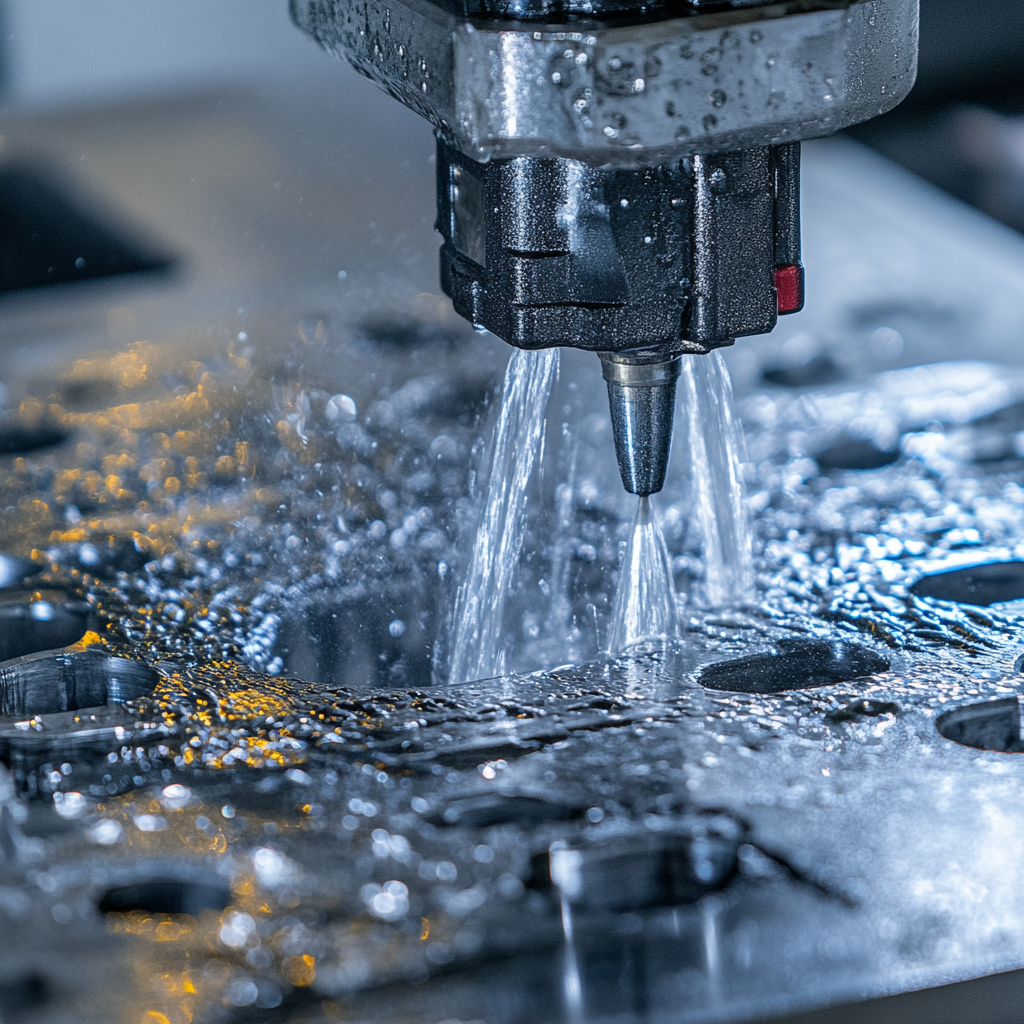
Plastic injection mold parts, hot runner or cold runner, mold life and maintenance details… Learn it all,
What is Plastic Injection Mold?
Plastic injection mold; It is a tool system, usually made of steel or aluminum, used to melt the granule/plastic raw material in the machine, fill it into the mold cavity (cavity) with high pressure, cool and solidify and turn it into the final part.
In a simple analogy: The injection machine is like the “engine” and the mold is like the “heart that determines the shape”. The machine generates pressure and heat;size, surface quality, repeatability of the partlargely determines the pattern.
How Does Plastic Injection Mold Work?
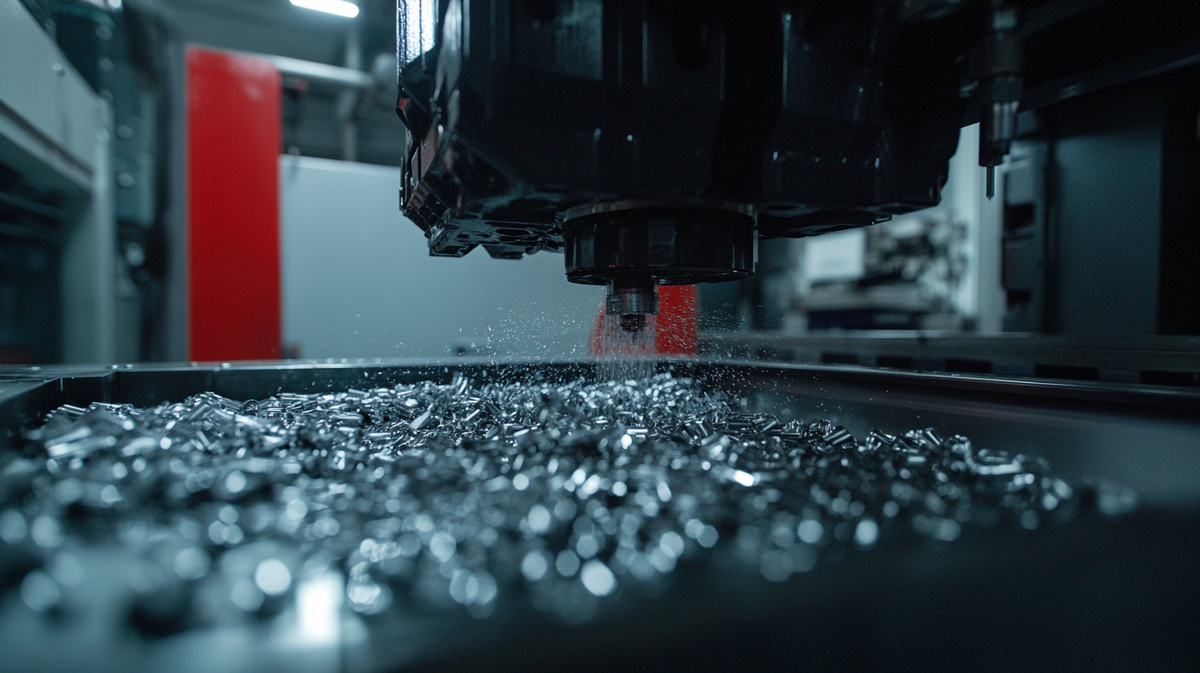
The basic cycle in injection molding follows the same logic:
- The mold closes and locks with clamping force.
- The molten plastic fills the cavity through the runner/gate.
- The part cools in the mold, solidifies and “locks” its size.
- The mold opens, ejectors push the part out.
- The cycle repeats.
The critical point here is this: The mold “does not just give shape”;flow, heat transferAndoutput (demolding)It also manages behavior. That's why a small detail in mold design can make a big difference in mass production.
Main Parts of Injection Mold
The table below summarizes the mold components most talked about in the field and what they do:
| Component | What does it do? | Typical result of wrong design |
| Cavity | Creates the outer surface geometry of the part | Surface errors, measurement deviations |
| Core | Creates internal geometries/spaces | Bending, deformation, compression |
| Parting line | Opening and closing surface of the mold | Burr, scar, aesthetic problem |
| Runner | Distribution of the melt into cavities | Non-filling, unbalanced filling |
| Gate | Melt entry point into the part | scar, weld mark, brittle zone |
| cooling channels | Cycle time and measurement stability | Collapse, bending, long cycle |
| Ejector system | Removes the part safely | Pusher mark, breakage, scratch |
| Guiding/connecting elements | Maintains the alignment of the mold | Misalignment, wear, burr |
All of these parts together create “team behavior”. So “good steel” alone is not enough; The system must be constructed correctly.
Injection Mold Types
Injection molds are classified in many ways in practice. Let's chart the most common distinctions to make it easier to decide.
1) Based on Runner System: Hot Runner vs Cold Runner
| Criterion | Cold Runner Mold | Hot Runner Mold |
| initial investment | lower | higher |
| Waste/runner waste | Usually more | Usually less |
| Cycle time | Middle | Potential to be shorter |
| Need for maintenance/adjustment | simpler | May require more expertise |
| Suitable situation | Low-medium volume, multi-material testing | High volume, low wastage target |
Here's the question "which is better?" There is no single answer to the question. Production quantity, material price, part aesthetics and cycle target are evaluated together.
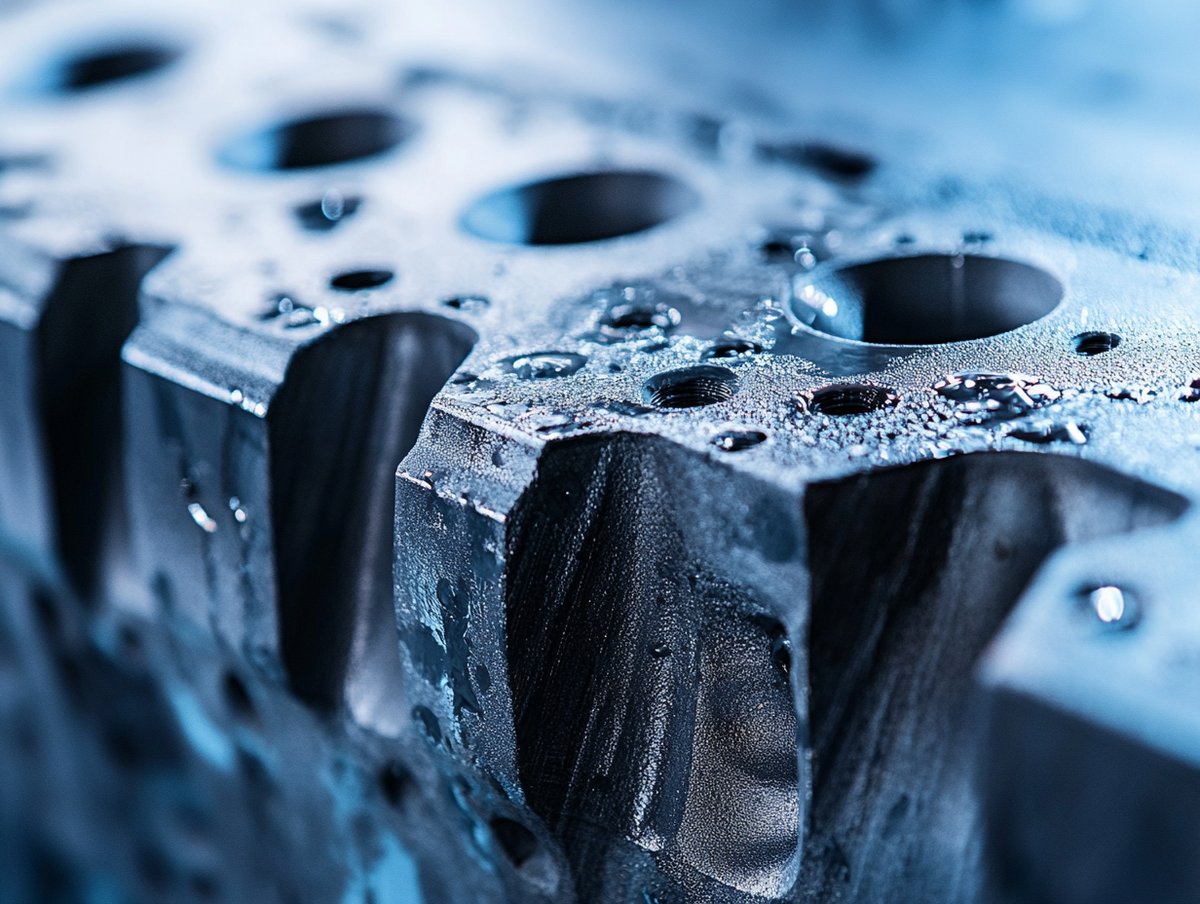
2) According to Production Purpose: Prototype Mold vs Mass Production Mold
| Criterion | Prototype Mold | Mass Production Mold |
| Aim | Validate design, trial production | Stable mass production for a long time |
| steel/workmanship | There may be faster and more economical options | Durability and repeatability are priority |
| Revision tolerance | more flexible | Revision costs may be higher |
Why is Mold Design So Important?
Mold design is not a “CAD drawing”; It is a matter of managing risks in production from the very beginning. Good design:
- filling the piece evenly at every point,
- dissipates heat homogeneously,
- It aims to ensure smooth part output.
Factors That Most Affect Mold Cost and Duration
“Why is injection molding expensive?” The question comes up a lot. In general, the drivers of cost are:
Number of cavities:More cavities = higher mold cost, but potential for reduction in unit part cost.Tolerance and surface expectation:Tight tolerances mean more machining time and measurement discipline.Sprue selection:Hot runner may increase investment cost; but it can reduce wastage.Part geometry:Thin wall thickness, sharp transitions and special surface textures increase the cost.
How long is the mold life?
It is difficult to give a single “standard number” for mold life; because the material (abrasiveness), process (pressure/temperature) and maintenance habits on which the mold works are very decisive. However, as emphasized in the content on the site, hundreds of thousands or even millions of prints may be possible, depending on the mold quality and material.
Practical approach: When discussing lifespan, "target production quantity" and "maintenance plan" should be defined together.
The Most Common Mold-Related Problems
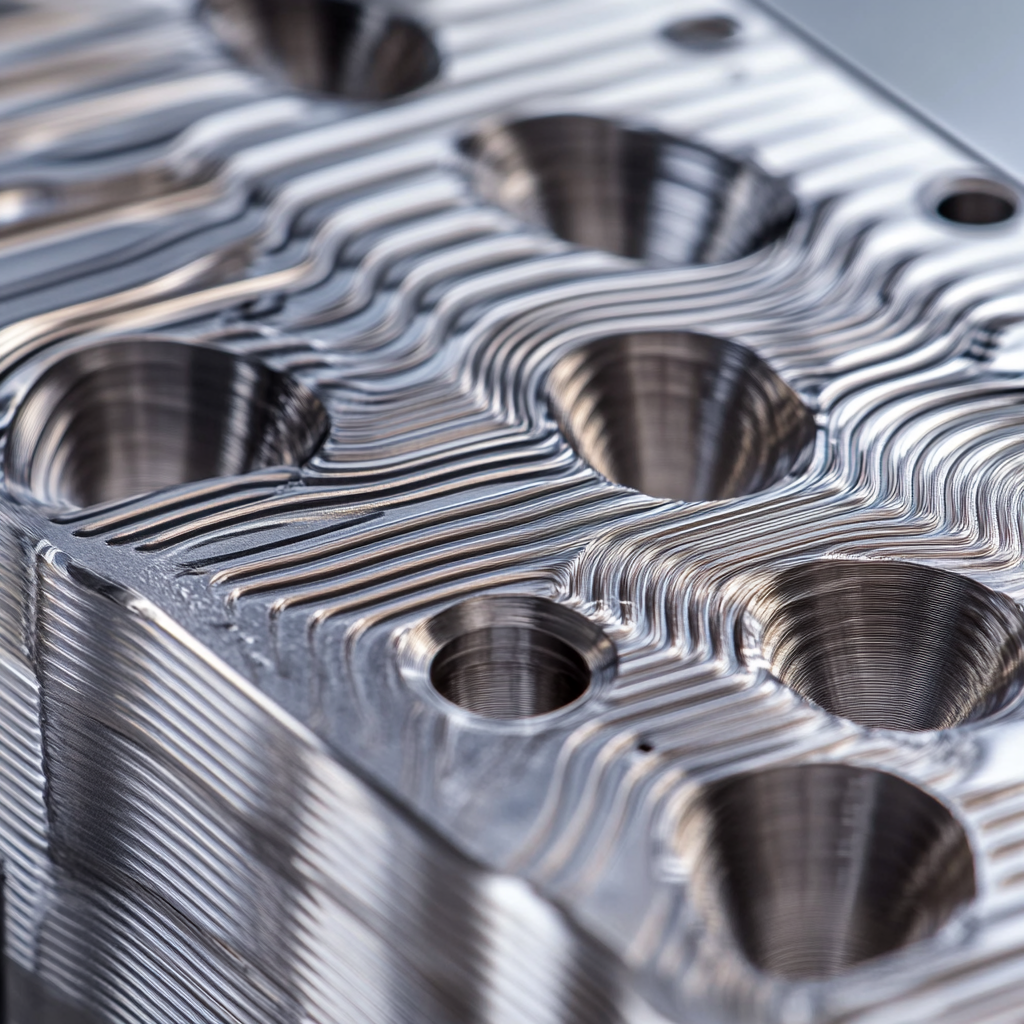
Typical problems on the mold side are generally grouped in 3 groups:
Filling/flow problems:short fill, weld marks, burn marksCooling related problems:collapse, bending, measurement deviationDiscrimination/repulsion problems:burr, pusher mark, part breakage
While most of these problems may seem like “bad process setup,” the root cause is often a weakness in the mold design or lack of maintenance. That's why DFM and trial plan become critical.
Mini Control Chart for Quick Decision
The table below makes it easy to ask the right questions before mold investment:
| Question | Why is it important? |
| What is the annual target quantity? | Number of cavities, steel selection, runner type are shaped accordingly |
| What is the material? (ABS, PC, PA etc.) | Flow and tensile behavior influence design |
| Which are the critical tolerance zones? | Unnecessarily tight tolerance increases cost |
| What is the surface expectation (glossy/matte/texture)? | Determines processing and polishing time |
| Are there areas that require assembly/fit? | Core-cavity compatibility and dimensional stability become important |
Frequently Asked Questions
How long does a plastic injection mold last?
Mold life; It varies depending on steel quality, material used, production quantity and maintenance discipline. Under favorable conditions, hundreds of thousands or even millions of prints may be possible.
Should I choose hot runner or cold runner?
If there is a target of high volume production, low waste and shorter cycles, hot runner may be advantageous; Cold runner may be preferred for low-medium volume and lower initial investment.
What increases the mold cost the most?
The number of cavities, areas requiring tight tolerances, high surface quality expectations and systems such as hot runners are the items that affect the cost the most.
How is the number of cavities determined?
The target production quantity is determined by evaluating the machine capacity, cycle time target and cost per piece expectation together.
How long does mold preparation take?
Depending on the size and complexity of the mold, it can range from a few weeks to a few months.
“What is plastic injection molding?” The practical answer to the question is: The mold determines not only the shape of the part; It is the system that determines the speed, quality and repeatability of production. Therefore, when evaluating mold investment; It is necessary to consider the mold parts, runner-cooling logic, cavity strategy and maintenance plan together.
İdeal Plastik's specialization in the plastic and mold industry since 1982 and its ability to produce with an injection capacity in the range of 75-200 tons provides a framework for the "mold + production" approach to be handled together in projects.
📩 sinangokce@idealplastik.com.tr
📞 +90 212 612 68 40 / 41📍 Istanbul – Türkiye
If you would like free preliminary evaluation notes based on your mold type, target quantity and part geometry, you can contact us.
Related guides
Continue reading: 2025 Guide to Choosing the Ideal Injection Mold.
Continue reading: 5 Important Factors to Consider in Plastic Mold Design.