
Learn what plastic injection molding is, how it is done and in which sectors it is used. Discover now the injection molding process used in plastic production.
What is Plastic Injection Molding?
plastic injection molding,injecting molten plastic into a mold under high pressureand here it is the process of cooling and turning it into a solid. Today, more than 80% of plastic production is done with this method.
This method was first invented in the late 19th century and over time it became the standard in the automotive, packaging, medical and electronics industries.
👉 In short:It is one of the most efficient methods in mass production.
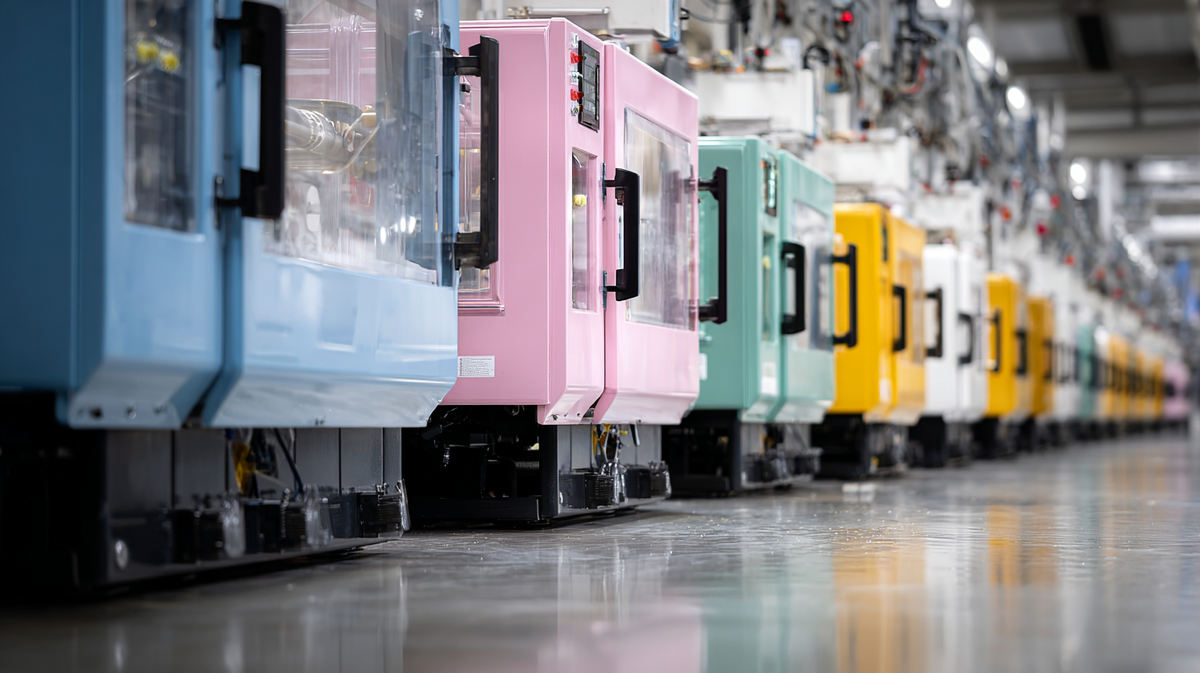
Plastic Injection Molding Process Steps
The plastic injection molding process consists of several stages:
1. Raw Material Preparation
- Plastic raw material is generallyin granule formis loaded into the machine.
- Colorants or additives are added if necessary.
2. Melting Phase
- Granules are melted at high temperature within the screw mechanism.
- The plastic is made fluid.
3. Injection Stage
- Molten plastic at high pressureis injected into the mold.
- It continues until the mold is completely filled.
4. Cooling and Hardening
- The plastic inside the mold is cooled by water or oil circulation.
- It solidifies and takes the shape of a mold.
5. Demolding
- The cooled plastic part is removed from the mold.
- If necessary, additional operations (cutting, assembly, surface treatments) are performed.
👉 Thanks to this processfast, precise and mass productionIt is possible.
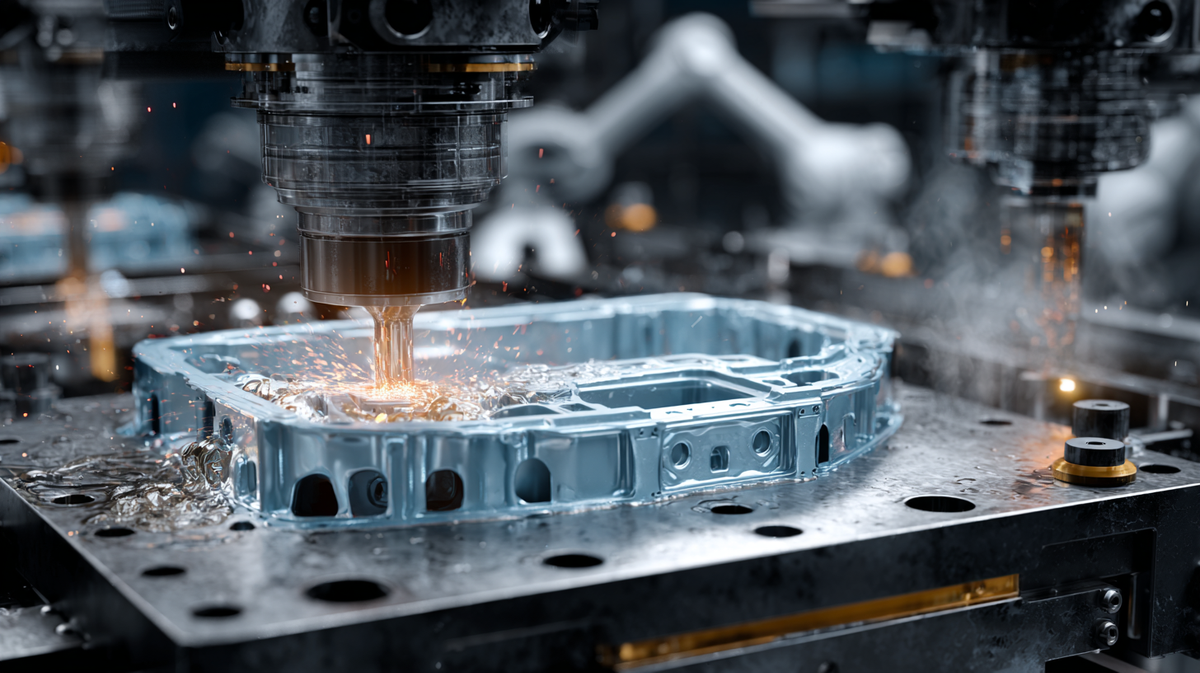
Usage Areas of Plastic Injection Molding
Plastic Injection Molding occurs in almost every aspect of our lives.
- Automotive:Headlight frames, bumper, interior trim parts.
- Electronic:Phone cases, remote control covers.
- Medical:Syringes, laboratory equipment.
- PACKAGING:Bottle caps, cans, containers.
- Consumer products:Toys, household items, kitchen utensils.
👉 It is especially preferred in sectors requiring high precision.
Advantages of Plastic Injection Molding
- Suitable for mass production:The same product can be produced quickly thousands of times.
- High sensitivity:Detailed and complex designs can be made.
- Quality surface:Smooth surface and precise measurements are achieved.
- Cost advantage:Production costs are low in high quantities.
- Flexibility:Different materials and additives can be used.
Disadvantages of Plastic Injection Molding
- High mold cost:Mold design and production are expensive.
- Not suitable for small scale production:It may be costly in small quantity production.
- Design changes are difficult:Once the mold is produced, flexibility is limited.
- Energy consumption is high:Energy is consumed in the melting and injection stages.
👉 It is an advantageous method for high quantity production and a costly method for low quantity production.
Plastic Injection Molding etc. Other Methods
| Method | Advantage | Disadvantage |
| Injection Molding | Mass production, precise detail | High mold cost |
| 3D Printing | Rapid prototyping, low cost | Not suitable for mass production |
| extrusion | Efficient in long products | Inadequate for complex shapes |
| Vacuum Molding | Suitable for large pieces | Detail sensitivity is low |
👉 As can be seeninjection moldingIt is the most suitable method for mass and precision production.
The Future of Plastic Injection Molding
- Bioplastics:Production with environmentally friendly raw materials.
- Recycled plastics:Sustainable production trend.
- Intelligent molding technologies:Less energy and material usage.
👉 Plastic Injection Molding in the future,sustainability focusedIt will evolve.
Conclusion
Plastic Injection Molding is the backbone of modern production.
- Advantages:Mass production, high precision, low cost.
- Disadvantages:High mold cost, limited flexibility.
- Areas of use:It ranges from automotive to medical.
When applied correctly, it both speeds up the production process and provides quality results.
Frequently Asked Questions (FAQ)
1. How long will the plastic injection mold last?Depending on the mold quality and the material used, it can withstand hundreds of thousands or even millions of pressures.
2. Is plastic injection molding suitable for small-scale production?No. It is not economical for small-scale production due to high mold costs.
3. Which types of plastic are most commonly used in injection molding?Materials such as ABS, PP, HDPE, PVC and polycarbonate are commonly used.
4. How long does the plastic injection molding process take?It usually ranges from a few seconds to a few minutes, depending on product size and complexity.
5. Can metal parts be produced by plastic injection molding?No. However, some parts can be strengthened with metal reinforcements.
Related guides
Continue reading: What is Plastic Injection Mold? Parts, Types and Working Principle.
Continue reading: 2025 Guide to Choosing the Ideal Injection Mold.