
What is plastic waste, what are the types of plastic waste and their recycling codes? Comprehensive guide to sorting, collecting and recycling at home and at work.
What is Plastic Waste?
Plastic;polymerThanks to its structure, it is a light, durable and formable material. It has a wide range of uses, from packaging to automotive, from electronics to construction.Expired, broken, no longer functionalor single-use consumable plastic productsplastic wasteIt is defined as. Plastic occurs in nature.very low biodegradabilitybeing, wasteseparate collection and recyclingmakes it mandatory.
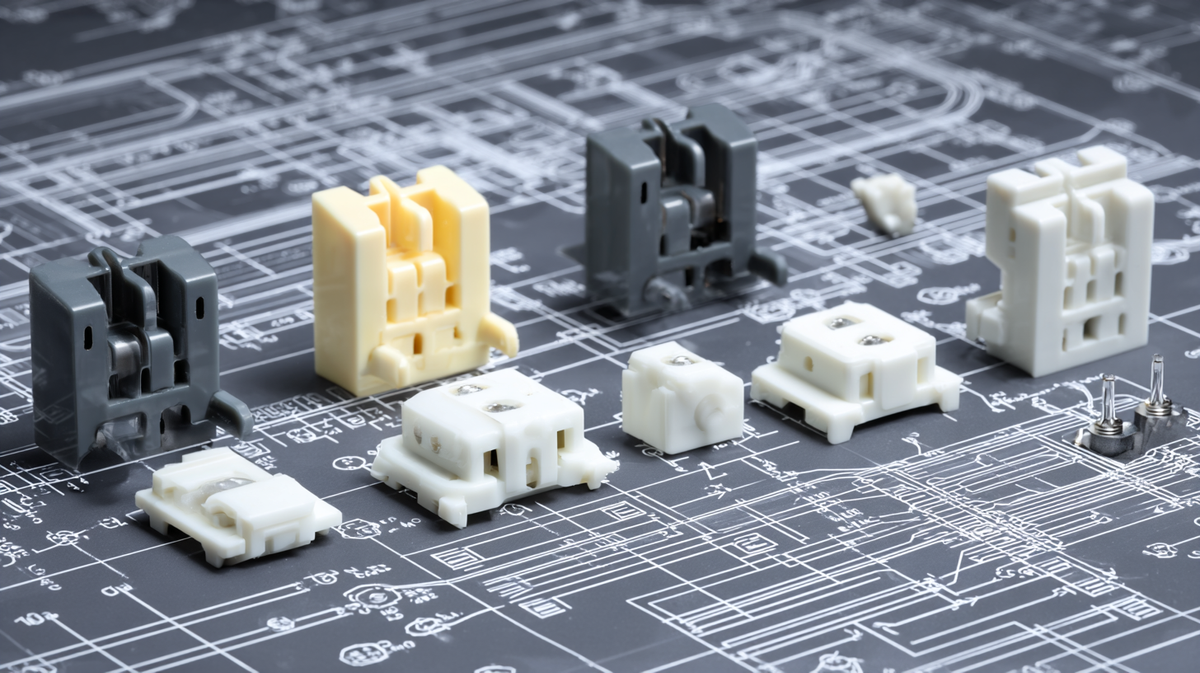
What are Plastic Wastes? (With examples)
The most common examples of plastic waste from daily life and industry:
- Packaging:Water/beverage bottles, shampoo-detergent bottles, yoghurt/cheese containers, film-stretch, carrier bags
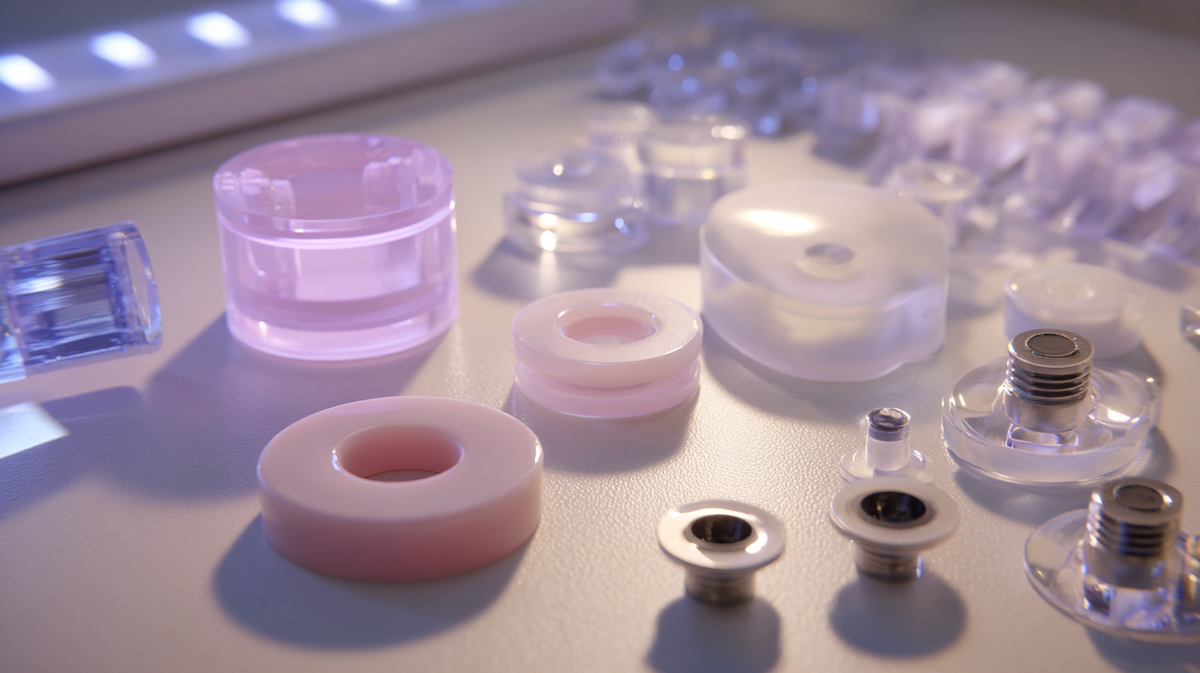
- Lids and stoppers:Bottle caps, canister stoppers
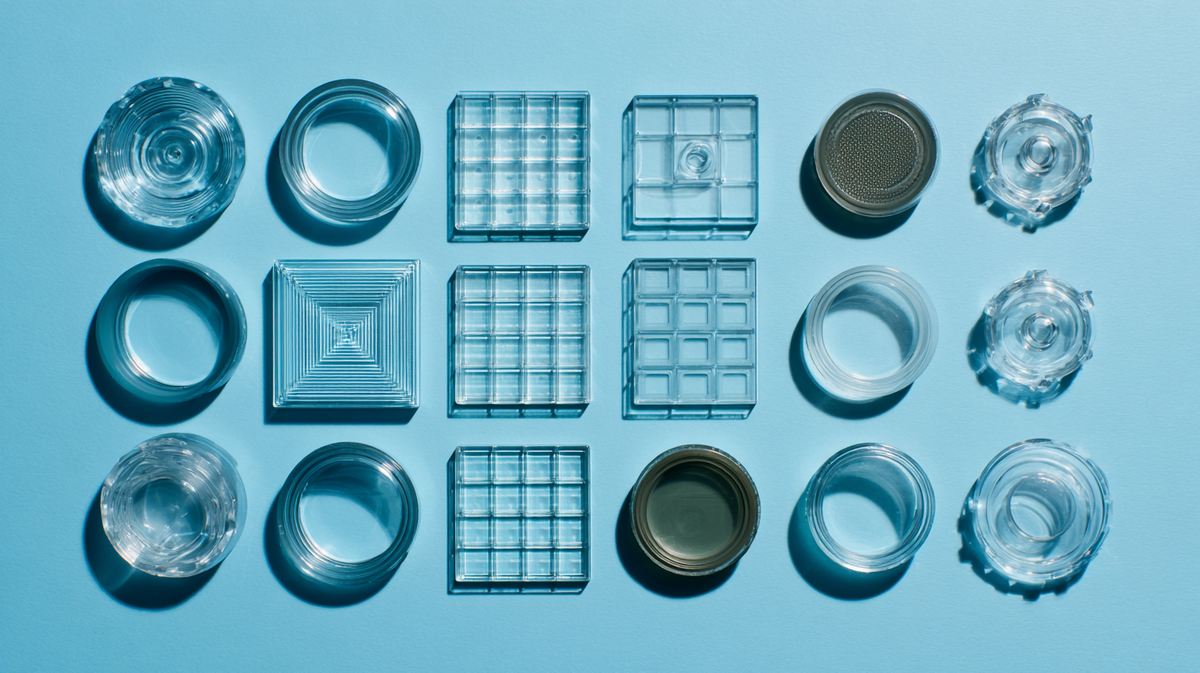
- Household goods and kitchen products:Storage containers, plates-forks-glasses, boxes
- Toys and sports equipment
- Plastic parts in electronic and electrical items(case, button, etc.)
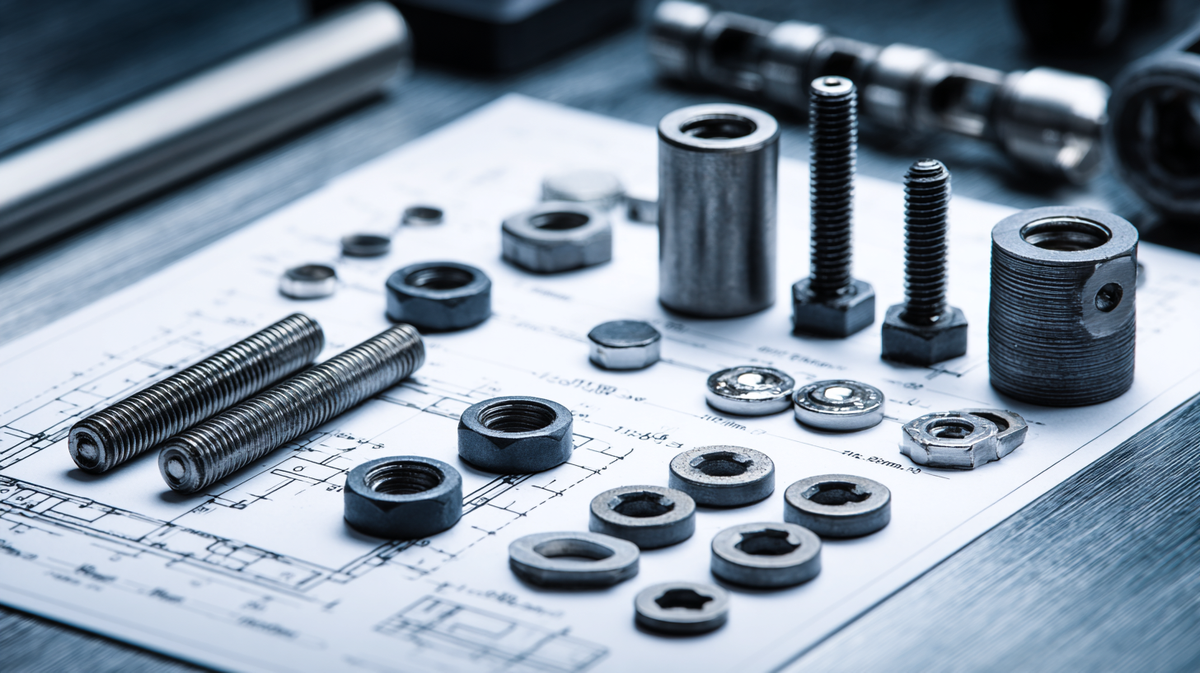
- Pipes, hoses, cable sheaths, sheets and wall coverings
- Automotive and white goods parts
- Synthetic fibers from textiles(can turn into microplastics)
Clue:The same product can be produced from different plastics. For this reasonto codes (1–7)Looking is the most reliable method for accurate parsing.
Resin Identification Codes (1–7): Which Plastic is in Which Box?
It is usually inside the triangular recycling sign on plastic products.Number 1–7takes place. These numbers indicate the material type and recycling route.
- PET (1):Beverage bottles, food packaging.High recycling potential.
- HDPE (2):Milk cans, detergent/shampoo bottles, toys.Durable and widely recyclable.
- PVC (3):Pipe, window profile, some sheets.It is difficult to recycle; should be collected separately.
- LDPE (4):Bags, stretch film, squeeze bottles.Easily affected by pollution, collect cleanly.
- PP(5):Yogurt cups, lids, straw (straw), textile fibers.It is valuable in mechanical recycling.
- PS(6):Foam plate, packaging foam.Bulky; Clean parsing is important.
- Other (7):PC, PA, ABS etc. mixed plastics.Limited recycling in most municipalities.
Notes:Local government and licensed facilities may have different acceptance criteria. For packaging wasteclean, dry and emptyFollow the rule.
Why Should Plastic Waste Be Collected Separately?
- Resource efficiency:Lots of plastic, againgranularIt can be transformed and used in new products.
- Energy and carbon savings:Use of recycled plastic,to virgin polymer productionIt reduces energy consumption and emissions compared to
- Economic value:Clean and correctly classified waste,high market valuehas.
- Environmental health:Thanks to parsingescape to natureAndmicroplasticformation decreases.
Recycling Methods: From Mechanical to Chemical
1) Mechanical Recycling (Most Common)
Collection → Separation → Washing → Crushing → Granule (regranule)It gives efficient results in types such as PET, HDPE, PP. In packaging wastelow contaminationIt increases the chances of success.
2) Chemical Recycling (Emerging Technologies)
polymerto monomersorto the oilare the processes by which it is transformed. For some mixed/multilayered wastescomplementis the solution.
3) Energy Recovery
Non-recyclable, dirty or mixed plasticsconverted into energyis the method.last optionshould be considered as.
How to Do Proper Parsing at Home and Work?
- Drain and rinse:Purify food residues;dryleave it.
- Compress:Compressing bottles and packagesvolumereduces.
- Match the cover with the code:Covers usuallyPP (5); bottle mostlyPET (1)It is possible. if possiblecollect separately.
- Mixed ingredients:For multilayer packaging (foil+plastic), consult local government; most of the time"other"is in its class.
- Dangerous ones are separate:Plastics contaminated with oil, paint or solventspackaging wastedo not throw it in the box;hazardous wastefollow the procedure.
Common Mistakes and Solution Tips
- Throwing dirty packaging into the box →Wash/dry; dirt the whole partyunavailablecan.
- Wrong code →on the productthe numbercheck.
- Disposal of foam PS into household waste →It is voluminous; check your municipality's collection points or find a licensed facility.
- Mixing PVC into the mixture →Other streamsdevalues; separatecollect it.
Plastic Waste Management in the Industry: Checklist for Businesses
- Waste inventory:What types of plastics (1–7), monthlytonnageAndcontaminationrates.
- Parsing at source:Code based boxes; employee training andvisual instructions.
- Licensed collection-sorting-recyclingcontract with business partners.
- Quality metrics:Moisture, pollution, metal/paper mixture,bale firmness.
- Reporting:Monthlyrecovery rate, carbon savings, cost/revenue balance.
FAQ (Frequently Asked Questions)
What are plastic wastes?Packaging, bottle caps, bags and films, pipes/sheets, toys, electronic plastic parts and automotive parts are the most common examples of plastic waste.
Can all plastic be recycled?No. The type of material, pollution and local infrastructure are decisive. PET (1), HDPE (2), PP (5) usuallyhigh achievementIt is recycled with; PVC (3) and mixed7 (Other)Options may be limited.
What should I do with the plastic cover?Most coversPP (5)'truck. from the bottleseparateDisposing of it cleanly makes separation easier.
Are foam plates and styrofoam recyclable?It depends on local conditions. Some facilities accept PS (6); because it is bulkyprivate collectionIt may be necessary.
Fat yoghurt cups?Quicklyrinse and dry. Otherwise, it may reduce the quality of the entire stream.
Plastic waste management, not only for the environment;cost, energy and resource efficiencyIt is also critical for. looking at the codescorrect parsing, clean and dry collection, with suitable business partnersrecycleestablish flow; for both households and businessesmeasurable benefitprovides. İdeal Plastik, suitable for your needs in the field,practicalis with you with guidance and solution alternatives.
Contact Now
Let's plan together the right solution in plastic waste management for your project or business:
📩 sinangokce@idealplastik.com.tr
📞 +90 212 612 68 40 / 41
📍 Istanbul – Türkiye
Related guides
Continue reading: Plastic Numbers and Health | Safe or Dangerous?.
Continue reading: ABS and Polycarbonate: The Most Preferred Materials in Plastic Production.
Sources
US EPA guidance on common recyclables — Sorting and acceptance rules vary by item and local recycling program.