
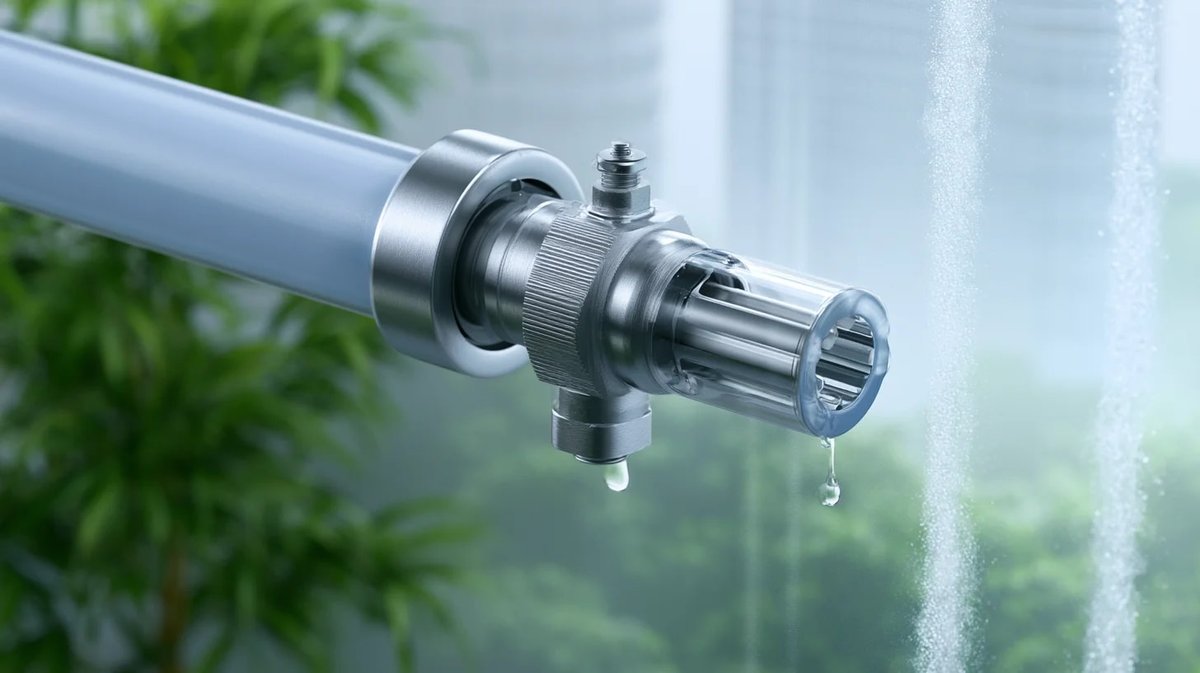
LED luminaires are exposed to constant temperature fluctuations outdoors or indoors. This changes the air pressure inside the armature and causes moisture ingress over time. The pressure balancing valve comes into play at this point. Working like a small vent plug, this component prevents condensation by balancing pressure differences. Otherwise, water vapor will accumulate on the seal surfaces and the LED luminaire pressure problem will grow rapidly. When the internal pressure balance of the luminaire is disrupted, both the lighting performance decreases and the safety risk increases. Thanks to this valve, the system protects itself and operates smoothly for many years.
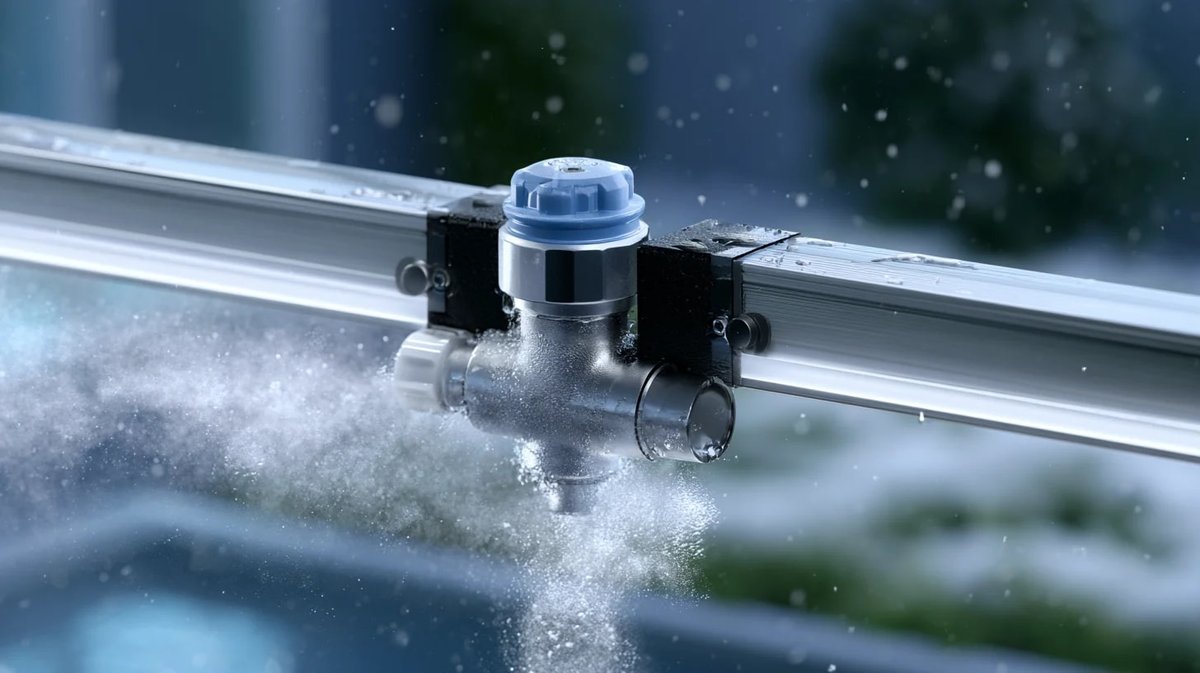
Topic coverage and key points
As the temperature increases, the air inside the armature expands, and when it cools down, it contracts. When this natural cycle is repeated every day, internal pressure constantly changes. In a closed enclosure, this change stresses the tightness of gaskets and gaskets. Eventually moisture seeps in from the outside. The pressure balancing valve works like a breathing mechanism here. There are one-way or two-way models; It prevents dust and water droplets while allowing as much air passage as necessary.
This piece, also known as the vent plug, is indispensable, especially in outdoor fixtures. Condensation drops that form on cold surfaces in winter are thrown out before they reach the PCB board. Thus, electronic components do not get wet and the risk of short circuit is eliminated. When the internal pressure balance of the armature is achieved, the gasket life is also extended. Gaskets are not exposed to constant pressure and retain their flexibility.
In the long run, LED fixtures that do not experience pressure problems will malfunction less frequently. Maintenance costs are reduced and the luminous flux remains constant for a long time. There is a saying: “A hole the size of a needle tip empties the warehouse.” The pressure balancing valve makes this pinpoint hole controlled. Moreover, it maintains its performance even under vibration and dust in industrial environments.
In short, this valve serves as both protection and balance. When installed in the right position and with the right material during the production phase, it significantly increases the life of the armature.
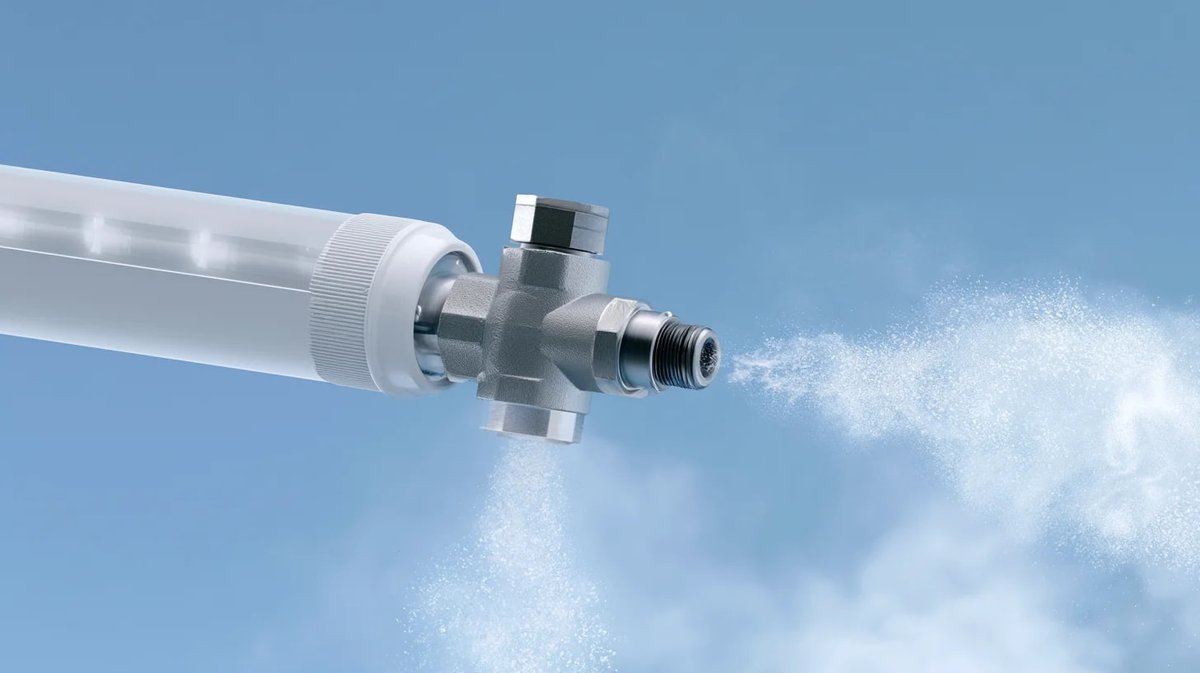
Table / Information
The table below summarizes the main differences between fixtures that use and do not use a pressure balancing valve.
This table clearly shows the difference that the valve provides in practice. When choosing, valve type and IP protection class should be evaluated together.
Frequently asked questions
When is a pressure balancing valve mandatory? It has become standard to use valves in LED fixtures used outdoors or in environments with high humidity. Indoor dry areas may remain optional.
Is the vent plug dustproof? The membrane structure used in quality models allows air passage while blocking sub-1 micron particles.
What is the first thing to be seen if the internal pressure balance of the armature is disturbed? Generally, fogging on the inner surface of the lens and a slight decrease in light are noticed.
What to do if the valve fails? During periodic checks, it is checked whether the valve is clogged or not, and in case of blockage, it is replaced with a new valve.
Discover our pressure balancing solutions for your LED projects.
Contact:
📩 sinangokce@idealplastik.com.tr
📞 +90 212 612 68 40 / 41
📍 Istanbul – Türkiye
Related guides
Continue reading: What is Plastic Injection Molding? Basic Processes and Areas of Use.
Continue reading: How does ePTFE Membrane Technology Extend LED Luminaire Life?.