

The loss of protection ability of high IP class devices over time is a common problem encountered in many industrial and lighting applications.
High IP class devices losing their protective ability over time is a common problem encountered in many industrial and lighting applications. Rope protection loss usually occurs not suddenly, but with the accumulation of gradually progressive factors. Users doing technical research want to understand the reasons for this decrease because taking precautions before the problem is noticed prolongs the life of the device. Factors such as pressure differences, wear of gasket materials and environmental factors lead to loss of sealing. This can turn into expensive malfunctions and safety risks.
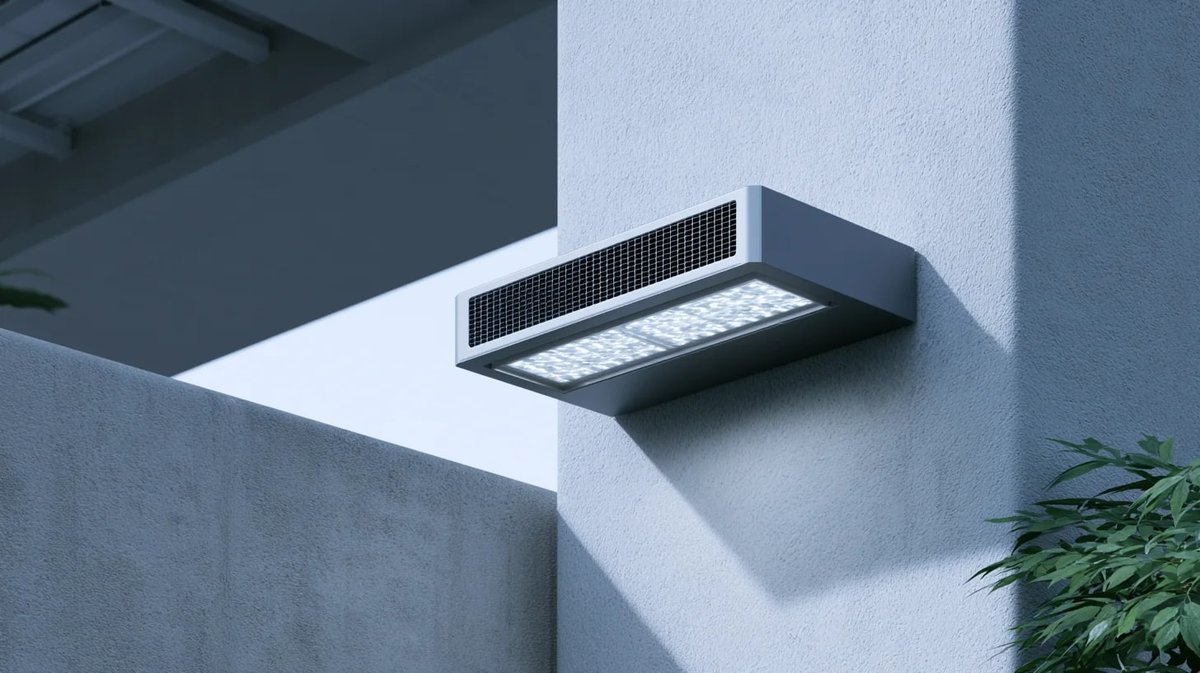
Topic coverage and key points
Pressure fluctuation is one of the most common triggers in closed systems. Due to temperature changes during the day, the air inside expands and contracts; This causes the seals to constantly stretch and loosen. Over time, gasket deformation begins and loss of sealing accelerates.
Gasket stress is a direct result of these fluctuations. Gaskets used in high IP class designs are produced according to a certain compression force. However, repeated pressure difference damage reduces the elasticity of the seal. The material hardens, cracks form and it becomes easier for water or dust to enter.
Micro crack formation is especially evident in plastic bodies and covers. Factors such as UV rays, moisture and chemical exposure create invisible crevices on the material surface. These cracks disrupt the seal integrity, accelerating the process of rope protection falling off.
The condensation effect also poses a separate danger. During temperature drops in closed spaces, moisture accumulates on internal surfaces. This moisture leaks under the seals, causing both corrosion and weakening of electrical insulation. As a result, loss of sealing becomes inevitable.
Preventive pressure balancing practices are one of the most effective ways to break this chain. Balancing internal and external pressure using pressure compensating valves or porous membranes reduces stress on the seal. Thus, gasket deformation is delayed and the device maintains its high IP level for many years.
Each of these factors feeds each other; A single measure is often insufficient. During technical inspections, periodic inspection of gaskets and the existence of pressure balance systems must be checked. Most problems can be avoided with careful design and material selection.
Comparison Table: Factors and Consequences
The table summarizes the impact of different factors over time. Each line shows the process that, if ignored, increases the risk of rope protection falling.
Frequently Asked Questions
What is the most reliable way to detect IP rating degradation early? Symptoms such as sweat marks on the device body, color change or dust accumulation around the gasket should be examined during technical control. Accurate data is obtained by measuring the IP level with periodic tests.
Are pressure balancing systems mandatory in every application? If the temperature difference in closed spaces can exceed 20 °C and the environment is humid, pressure balancing is recommended. This precaution is particularly useful in applications such as outdoor lighting or outdoor panels.
How much does the choice of gasket material affect the rope protection drop? Highly flexible gaskets such as silicone or EPDM are more resistant to temperature cycles. Wrong material selection accelerates gasket deformation and causes loss of sealing.
Is it possible to restore the IP level after microcracks appear? It is usually not possible; body or cover replacement required. Therefore, preventive materials and design steps are much more economical.
Next Step
Discover our expert solutions for long-term IP protection. If you would like to deepen your technical research and determine specific measures for your application, contact: sinangokce@idealplastik. com. en or +90 212 612 68 40.
Contact:
📩 sinangokce@idealplastik.com.tr
📞 +90 212 612 68 40 / 41
📍 Istanbul – Türkiye
Related guides
Continue reading: What is Plastic Injection Molding? Basic Processes and Areas of Use.
Continue reading: contract injection molding with İdeal Plastik: High Quality and Affordable Price.