

Although LED luminaires stand out with their efficiency in the lighting industry, the indoor environmental conditions of the LED luminaire in a closed enclosure directly affect its performance. Technical inspectors know that the balance of humidity, temperature, and pressure can shorten the life of lighting devices. Ignoring these factors in a quality design will lead to malfunctions in a short time. Research shows that indoor environmental instability causes oxidation and thermal stress in electronic components. Therefore, internal microclimate control should always be considered a priority issue when choosing luminaires.
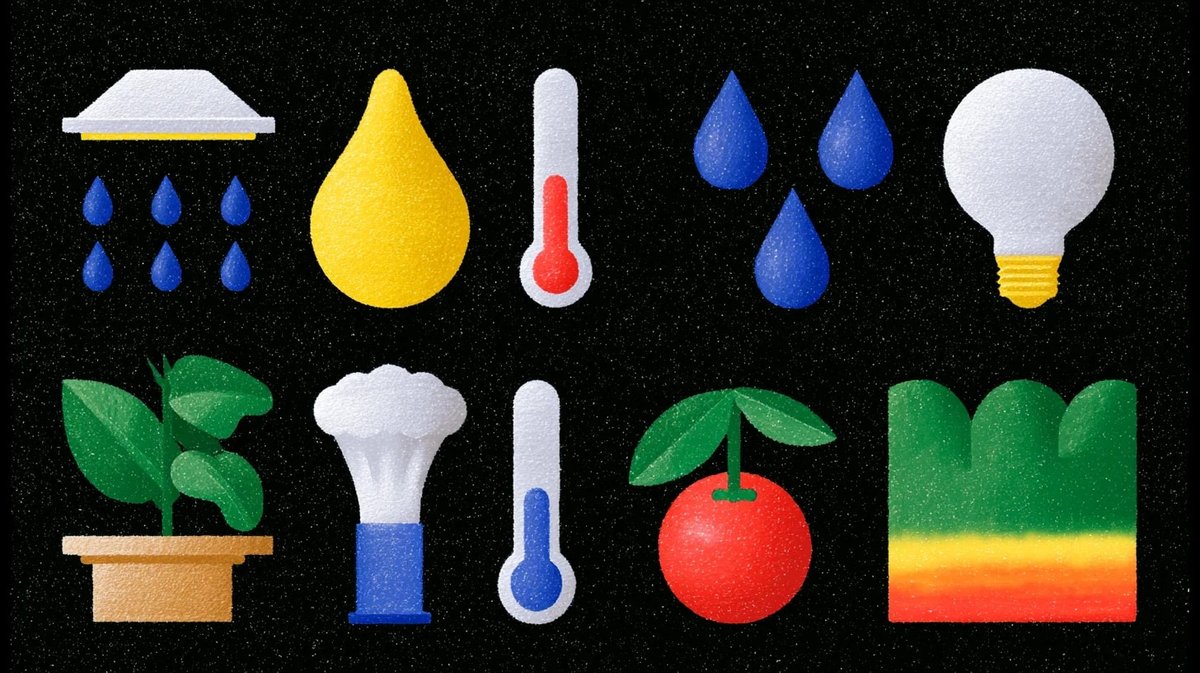
Topic coverage and key points
The issue of sealed housing is one of the most common challenges with LED fixtures. In environments where full sealing is required, moisture cannot escape and this creates the need for internal humidity control of the fixture. Water vapor accumulating over time causes corrosion on PCB boards.
The temperature expansion cycle manifests itself with warming and cooling periods while the device is operating. Volume changes occur during each on-off operation. The formation of a pressure difference becomes inevitable. As this cycle is repeated, the seals weaken and the seal breaks down.
This is where the importance of pressure balance comes into play. When balance is not achieved, moisture is drawn in from the outside due to the vacuum effect. Designs that use a pressure balancing valve prevent this vacuum phenomenon and keep the internal volume balanced. Thus, the operating life of the luminaire is significantly extended.
Its impact on electronic life is measured with concrete results. LED drivers and resistors operating in a humid environment fail more quickly. Excessive temperature accumulation also reduces the light efficiency of semiconductors. As a result, maintenance costs increase and system reliability decreases.
Ventilation technology has been developed to overcome these problems. Small components such as the vent plug balance the pressure and allow moisture to escape. Correctly positioned plugs also offer additional protection against impact and dust. In this way, the fixtures can operate smoothly for many years.
Technology bloggers often say, "one drop at a time makes a lake." A small balance element makes a big difference in internal microclimate control. Manufacturers now include such elements as standard in their designs.
Comparative Technical Data
The table below summarizes the effects of LED luminaire indoor environmental management in different applications. Data is based on general industry research.
These data reveal that the use of fixture internal humidity control and pressure balancing valve provides tangible gains. Simple elements like the vent plug play a key role in creating the differences seen in the table.
Frequently Asked Questions
Is a pressure balancing valve mandatory in LED luminaires?It is not required, but is highly recommended in humid or temperature fluctuating environments. Without a valve, moisture ingress accelerates due to the vacuum effect.
Does the vent plug increase dust ingress?Standard-compliant plugs maintain the IP protection level. Models with the right filter continue to balance the pressure while preventing dust passage.
How much does luminaire internal humidity control increase the cost?It creates an increase of 3-5 percent on the initial investment. In return, it reduces maintenance and replacement costs by half.
How to measure temperature expansion cycle?Field tests are performed with thermal cameras and pressure sensors. As the number of cycles increases, the life of the seals becomes shorter.
In which sectors is microclimate control more critical?Humidity and temperature differences are more intense in automotive, food processing and outdoor lighting. Ventilation solutions have become standard in these areas.
Next step
Contact our experts for long-lasting LED design. You can determine the most suitable solution for your project by discussing technical details and application examples.
Contact:
📩 sinangokce@idealplastik.com.tr
📞 +90 212 612 68 40 / 41
📍 Istanbul – Türkiye
Related guides
Continue reading: What is Plastic Injection Molding? Basic Processes and Areas of Use.
Continue reading: How does ePTFE Membrane Technology Extend LED Luminaire Life?.