
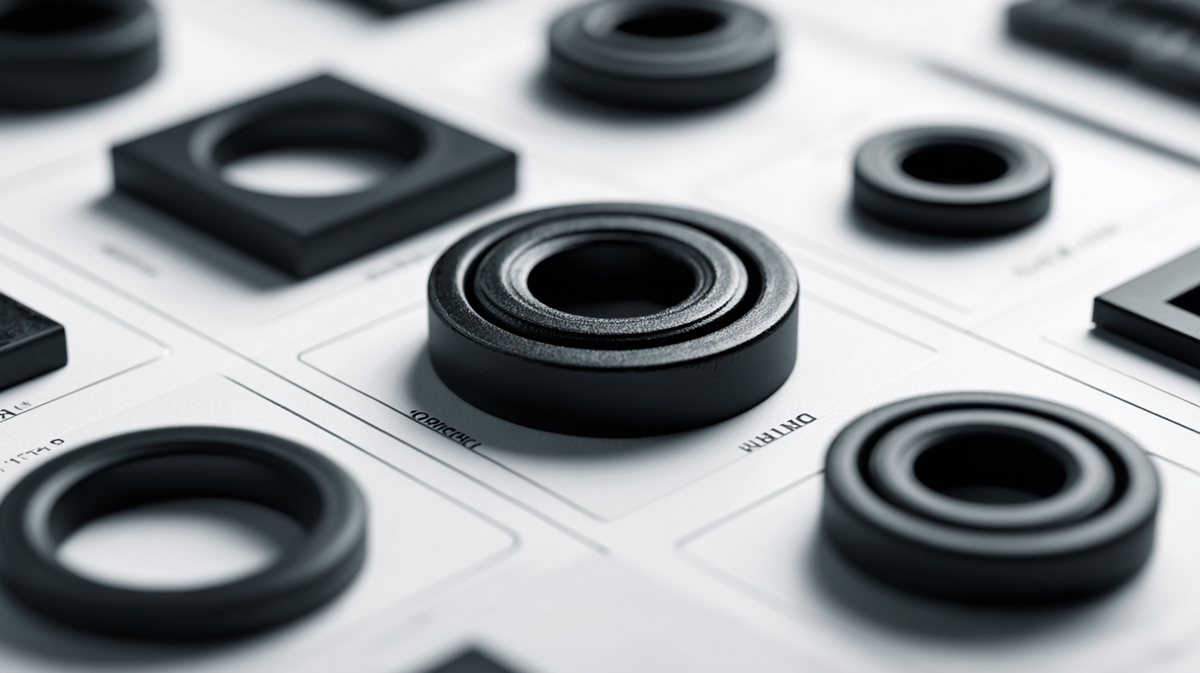
Compare plastic, rubber, silicone and felt gasket types. Find out which material performs best in which environment.
Gaskets are basic industrial elements that provide sealing by closing the gap between two surfaces. Gaskets are used in many sectors from automotive to white goods, from food production to medical devices.according to material selectionThey differ in terms of performance, durability and cost. In this article,plastic, rubber, silicone and felt gasketBy examining the types, we will discuss which material gives the best results in which environment.

Basic Properties of Gasket Materials
Each gasket material has advantages and limitations. For the right choice, it is necessary to look at the following criteria:
- temperature resistance
- chemical resistance
- Flexibility and compressibility
- Cost
- Resistance to environmental factors (water, UV, oil, etc.)
Plastic Gasket
Plastic gaskets are lightweight, cost-effective and have high chemical resistance.
Advantages:
- low cost
- Resistance to corrosion
- Possibility of production in various shapes and sizes
Disadvantages:
- Limited resistance to high temperatures
- Low elasticity in some species
Areas of Use:
- Electrical-electronic enclosure covers
- White goods assembly parts
- food processing machinery
Rubber Gasket
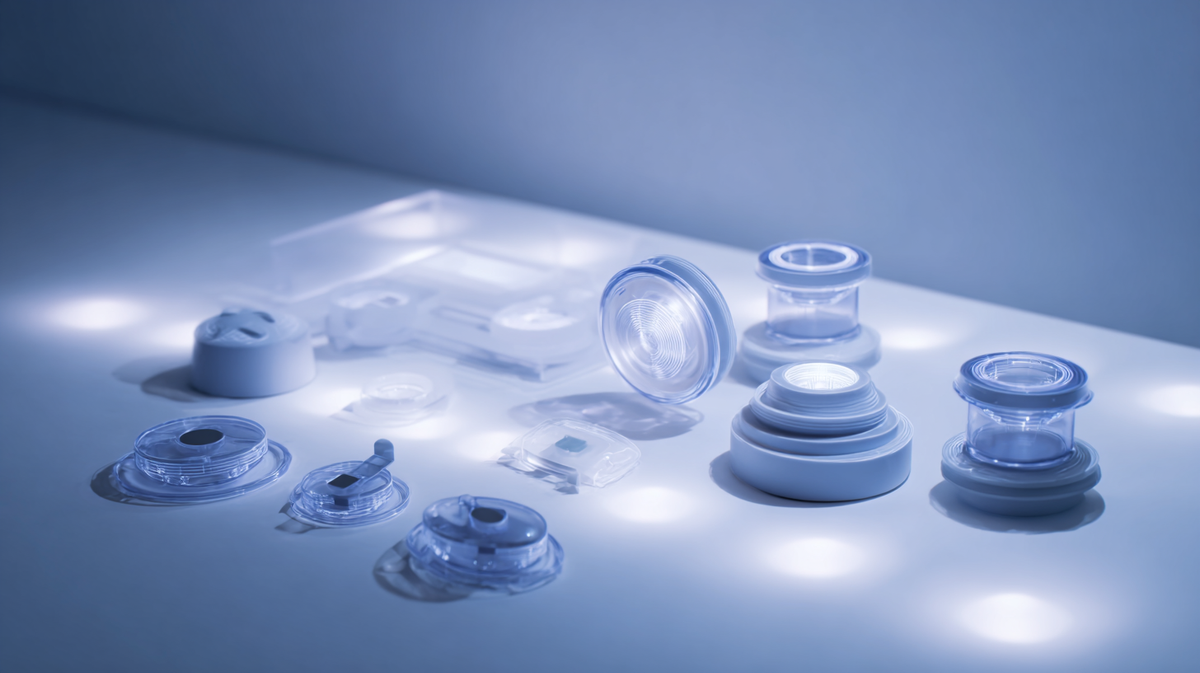
Rubber gaskets are widely preferred for their flexibility and sealing properties. Main types:EPDM, NBR (nitrile rubber), viton.
Advantages:
- Excellent elasticity
- Operation in wide temperature range
- High resistance to oil, water and dust
Disadvantages:
- Chemical resistance may be limited in some species
- Some species are weak against UV rays
Areas of Use:
- Automotive gaskets and seals
- Industrial machine attachment points
- ventilation systems
Silicone Gasket
Silicone gaskets stand out in environments where high temperature and chemical resistance is required.
Advantages:
- Operating range from -60°C to +230°C
- Safe for food and medical applications
- High resistance to UV and ozone
Disadvantages:
- Higher cost than other materials
- Risk of deformation under high mechanical load
Areas of Use:
- food production facilities
- medical devices
- High temperature oven gaskets
Felt Gasket
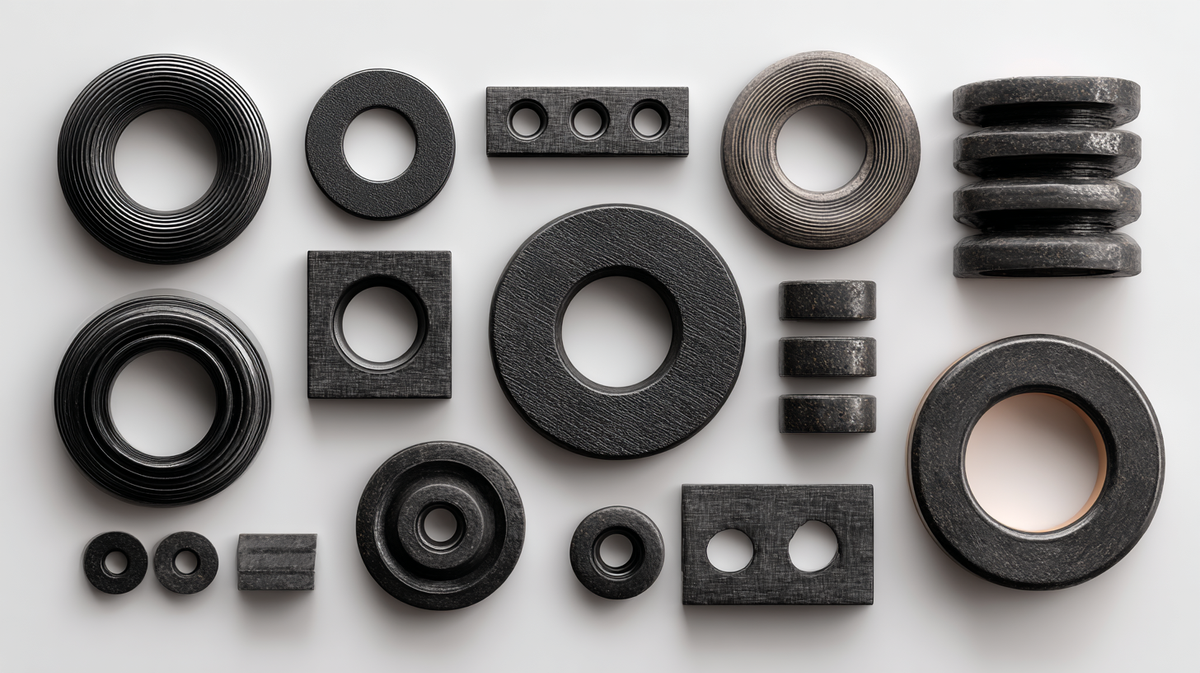
Felt gaskets are known for their mechanical protection and oil retention properties.
Advantages:
- High oil absorption capacity
- Protection against mechanical impacts
- Vibration damping
Disadvantages:
- Limited resistance to water
- Low chemical resistance
Areas of Use:
- bearing housings
- Rotary shaft applications
- agricultural machinery
Material Comparison Chart
| Material | Temperature Resistance | Chemical Resistance | Elasticity | Cost | Environmental Resistance |
| Plastic | Middle | High | Low | Low | Middle |
| Rubber | Medium-High | Medium-High | High | Middle | Medium-High |
| Silicon | Very High | High | Middle | High | High |
| Felt | Low | Low | Middle | Middle | Low-Medium |
Which Material Is Used Where?
- Automotive→ Rubber seals (EPDM, NBR), felt seals
- White goods→ Plastic seals
- Food Industry→ Silicone seals
- Medical Devices→ Silicone seals
- Industrial Machinery→ Rubber and plastic seals
- Agricultural Machinery→ Felt gaskets
Conclusion and Recommendations
Choosing the right gasket material,performance, security and costIf your project requires special dimensions or strength criteria,İdeal PlastikAs we offer you special production support in plastic injection molding and industrial sealing solutions.
Contact us immediately for a comprehensive material list and our special production solutions.
📩 Email: sinangokce@idealplastik.com.tr
📞 Telephone: +90 212 612 68 40 / 41📍 Address:Istanbul – Türkiye
Related guides
Continue reading: What is a Gasket? Types and Areas of Use.
Continue reading: Can Electrical Insulation Be Provided with Plastic Gasket?.