
When choosing a gasket, consider factors such as temperature, pressure and environmental compatibility. Contact our team for technical measurement support.
Gaskets are used to provide sealing in different systems. HoweverNot every gasket works in every environment. Many technical criteria such as temperature value, pressure level, chemical structure and installation method of the application necessitate the selection of the correct gasket.
In this guide, especiallyHow to choose gaskets used in industrial applications, it explains step by step what to pay attention to.
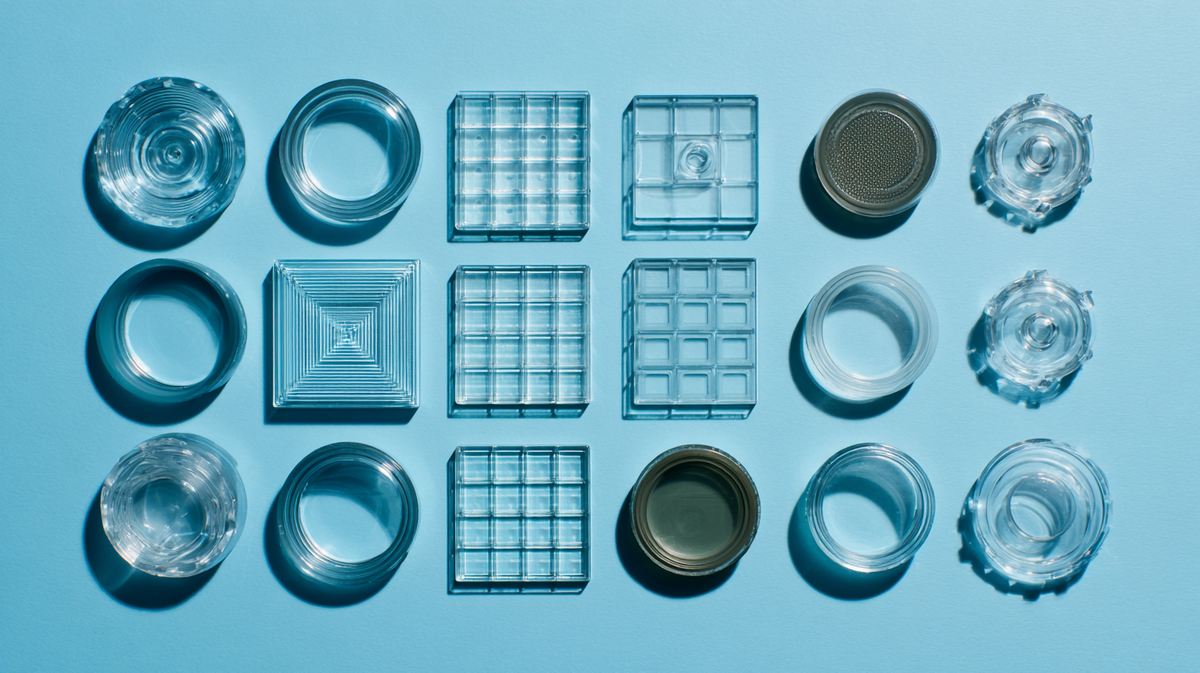
Basic Criteria to Consider When Selection of Gaskets
1. Operating Temperature
The temperature range of the environment where the gasket will be placed must be known. Each material has a different heat resistance:
| Material Type | Strength Range |
| EPDM | -40°C / +130°C |
| NBR (nitrile) | -20°C / +100°C |
| PTFE | -200°C / +260°C |
| metal gasket | up to +500°C |
Incorrect temperature selectionThis causes problems such as gasket deformation, hardening or cracking.
2. Pressure Value (Bar/Psi)
For the seal to be successful, the gasket must be suitable for the application.mechanical strengthIt should show.
- Low pressure: soft elastomer seals (e.g. silicone)
- High pressure: metal-reinforced spiral seals, PTFE-reinforced seal systems
A gasket that is not suitable for pressure prevents the system from operating completely leak-free.
3. Environment (Chemical Compatibility)
The gasket is located in the environmentoil, fuel, acid, steam, solventIt should not react chemically with substances such as.
| Chemical | Suitable Gasket Material |
| oil, fuel | NBR, Viton |
| acid, base | PTFE, EPDM |
| Steam | Metal gasket with graphite |
| This | EPDM, silicone |
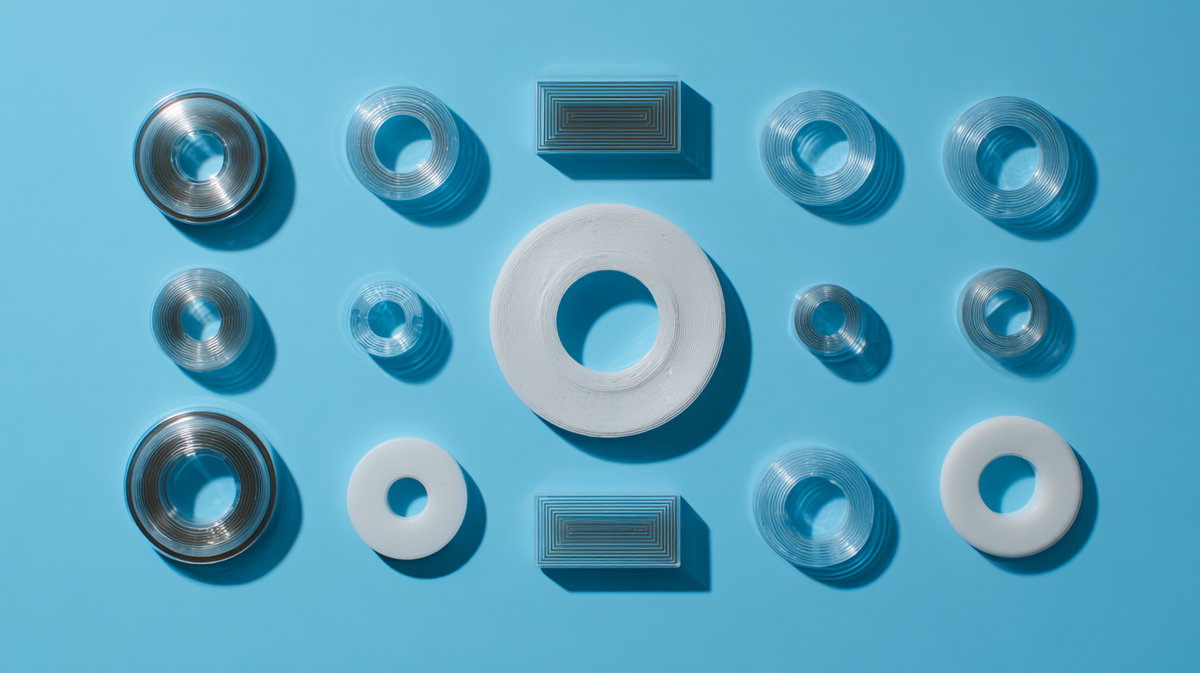
4. Seal Thickness and Channel Structure
- The gasket thickness must fit snugly to the contact surface and not cause deformation when over-compressed.
- There must be optimum space between the channel width and the gasket diameter.
To determine these measurementstechnical drawing or application sampleIt is recommended to make an evaluation based on
5. Mounting and Surface Conditions
- Flange surfaces are smooth and cleanshould be.
- bolt torqueIt should be sufficient to compress the gasket but at a level that does not cause damage.
- In O-ring systems, surface smoothness is especially important.
Gasket Material Selection Table
| Application Area | Suitable Material | Explanation |
| Food & Medical | Silicone, PTFE | Odor-proof, hygienic |
| Automotive | NBR, Viton | High fuel and oil resistance |
| chemical systems | PTFE, EPDM | High chemical resistance |
| high temperature | Metal, graphite gasket | Resistant to extreme heat |
| Outdoor & UV | EPDM, TPE | Resistant to sun and ozone |
Risks of Choosing the Wrong Gasket
- Leakage and system efficiency loss
- Wear, cracking, gasket rupture
- Explosion of the gasket due to improper compression
- High maintenance costs and downtimes
Therefore, the correct use of gaskets for each projectlong term performanceprovides.
Get Technical Measurement and Material Support
As İdeal Plastik, we offer special services in gasket selection for your needs.technical measurement compliance assessmentAndmaterial suggestionWe provide. Which type of gasket should be used in which environment? Let's determine it together with our expert team.
📩 sinangokce@idealplastik.com.tr
📞 +90 212 612 68 40 / 41
📍 Istanbul – Türkiye
🔍 Get our technical support for a special gasket solution for your project.
Frequently Asked Questions
What is the most important criterion when choosing a gasket?
Temperature, pressure and ambient characteristics should be evaluated together. Material compatibility is vital.
How to determine gasket thickness?
Connection surfaces are technically calculated according to duct dimensions and mounting type. It is recommended to get measurement support.
Which gasket is resistant to high pressure?
Generally, spiral wound metal gaskets or PTFE supported gasket systems are preferred.
Is it possible to produce a special gasket for my application?
Yes, special production can be made based on technical drawing or sample.
Related guides
Continue reading: What is a Gasket? Types and Areas of Use.
Continue reading: Can Electrical Insulation Be Provided with Plastic Gasket?.