
What is the best plastic? Is HDPE (High Density Polyethylene) safe? Discover the detailed guide about its usage areas, advantages and health effects.
What is the Best Plastic?
We constantly encounter plastic products in our daily lives. However, not all types of plastic are equally safe. While some are suitable for food, some can seriously harm our health and the environment.
“What is the best plastic?”Although the answer to the question varies depending on the purpose of use, it is among the plastic types that experts find safest.HDPE (High Density Polyethylene)stands out.
What is HDPE (High Density Polyethylene)?
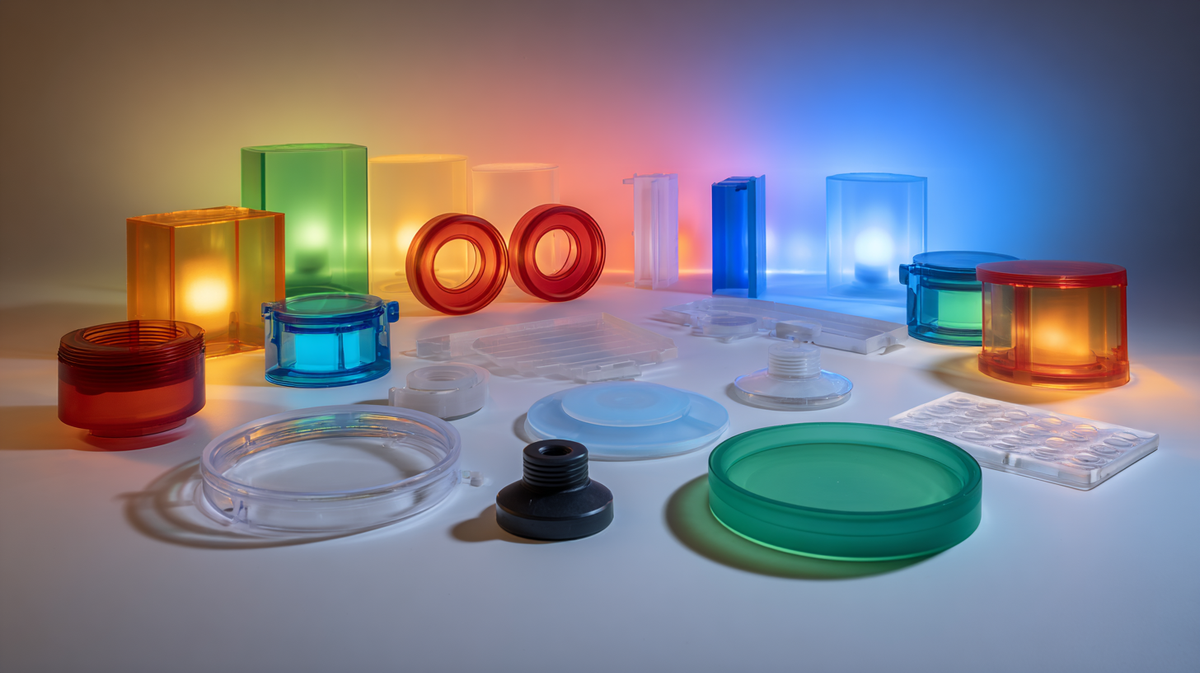
HDPE, with its English nameHigh-Density PolyethyleneIt is a type of plastic with high density, durable and flexible.Number 2 in plastic recycling codesIt is shown with.
- Raw material:It is produced from oil and natural gas derivatives.
- Structure:Since the molecular chains are tightly connected, it provides high density and durability.
- Featured feature:It is chemical-free and safe to use with food.
Usage Areas of HDPE
HDPE is one of the most common types of plastic we encounter in daily life.
- Milk and juice bottles
- Oil and vinegar bottles
- Detergent and cleaning product containers
- Shampoo and conditioner bottles
- grocery bags
- Water pipes and irrigation systems
👉 It is widely preferred in both food and industrial use.
Advantages of HDPE
The features that make HDPE the "best plastic" are:
- Food Safety:It does not contaminate harmful chemicals into water or food.
- Durability:It is highly resistant to high temperatures, impacts and chemicals.
- Recycle:It can be processed repeatedly and causes less damage to nature than other plastics.
- Longevity:It can be used for a long time in water pipes and tank containers.
- Lightness:Although it is durable, it is a lightweight material.
Is HDPE Safe for Health?
Yes, HDPEsafe for healthis accepted. The reason why it is widely preferred, especially in contact with food and beverages, is that it does not leak harmful chemicals.
- It does not contain BPA.
- It is not carcinogenic.
- Can be used over and over again.
👉 With these features, it is considered one of the safest plastics by experts.
Comparison of HDPE and Other Types of Plastics
| Plastic Type | Code | Area of Use | Security Status |
| HDPE | 2 | Milk bottle, pipe, detergent box | ✅ Safest |
| PET | 1 | water bottle, beverage bottle | ⚠️ Disposable |
| PVC | 3 | Pipe, toy, food container | ❌ Harmful to health |
| PP | 5 | Yogurt container, lid, straw | ✅ Safe |
| P.S. | 6 | foam cup, plate | ❌ Cancer risk |
| 7 (BPA) | 7 | sports bottle, feeding bottle | ❌ Harmful |
👉 According to the table,HDPE (2)AndPP (5)They are the safest types of plastic.
Environmental Impact of HDPE
Like every plastic, HDPE is a material that is difficult to decompose in nature. However, the recycling rate is higher than other plastics.
- Advantage:Recyclable and reusable.
- Disadvantage:It may take more than 100 years to decompose in nature.
👉 Therefore, it is very important to throw HDPE products into recycling bins.
Tips for Choosing the Best Plastic
- Code 2 (HDPE) and Code 5 (PP)Choose products containing.
- Avoid reusing PET bottles.
- Stay away from plastics containing PVC, PS and BPA.
- Use glass, stainless steel or bamboo whenever possible in the kitchen.
- Especially in children's productsBPA-free and PP (5) codedselect products.
Conclusion
“What is the best plastic?Clear answer to the question:
- HDPE (2)It is one of the safest and most durable plastics in terms of food contact.
- AlternativelyPP (5)is also considered safe.
With the right plastic selection, bothcan protect your healthas well asYou can contribute to the environment.
Frequently Asked Questions (FAQ)
1. Is HDPE plastic safe?Yes. HDPE is safe for food contact, BPA-free and reusable.
2. Which plastic is the most harmful?Number 7 plastics containing PVC (3), PS (6) and BPA are the riskiest group.
3. Is PET or HDPE safer?PET is suitable for single use, but is risky when reused. HDPE, on the other hand, can be used safely over and over again.
4. Is HDPE environmentally friendly?It is not completely environmentally friendly, but its recycling rate is high.
5. Which plastic should be preferred for children's products?BPA-free HDPE (2) or PP (5) coded products are the safest choices.
Related guides
Continue reading: What is Plastic Injection Molding? Basic Processes and Areas of Use.
Continue reading: contract injection molding with İdeal Plastik: High Quality and Affordable Price.
Sources
ASTM D7611 resin identification code — HDPE is identified by resin code 2.
US EPA guidance on common recyclables — Acceptance still depends on local collection rules and the item.